Build Confidence with Your First Group Training Plan
Designing your first small group personal training plan does not have to feel stressful. With a clear structure, a few smart exercise choices, and a simple way to progress, you can help a group get stronger, move better, and actually enjoy coming to the gym. That is what we focus on every day at GDN Fitness, and it is exactly what we will walk through here.
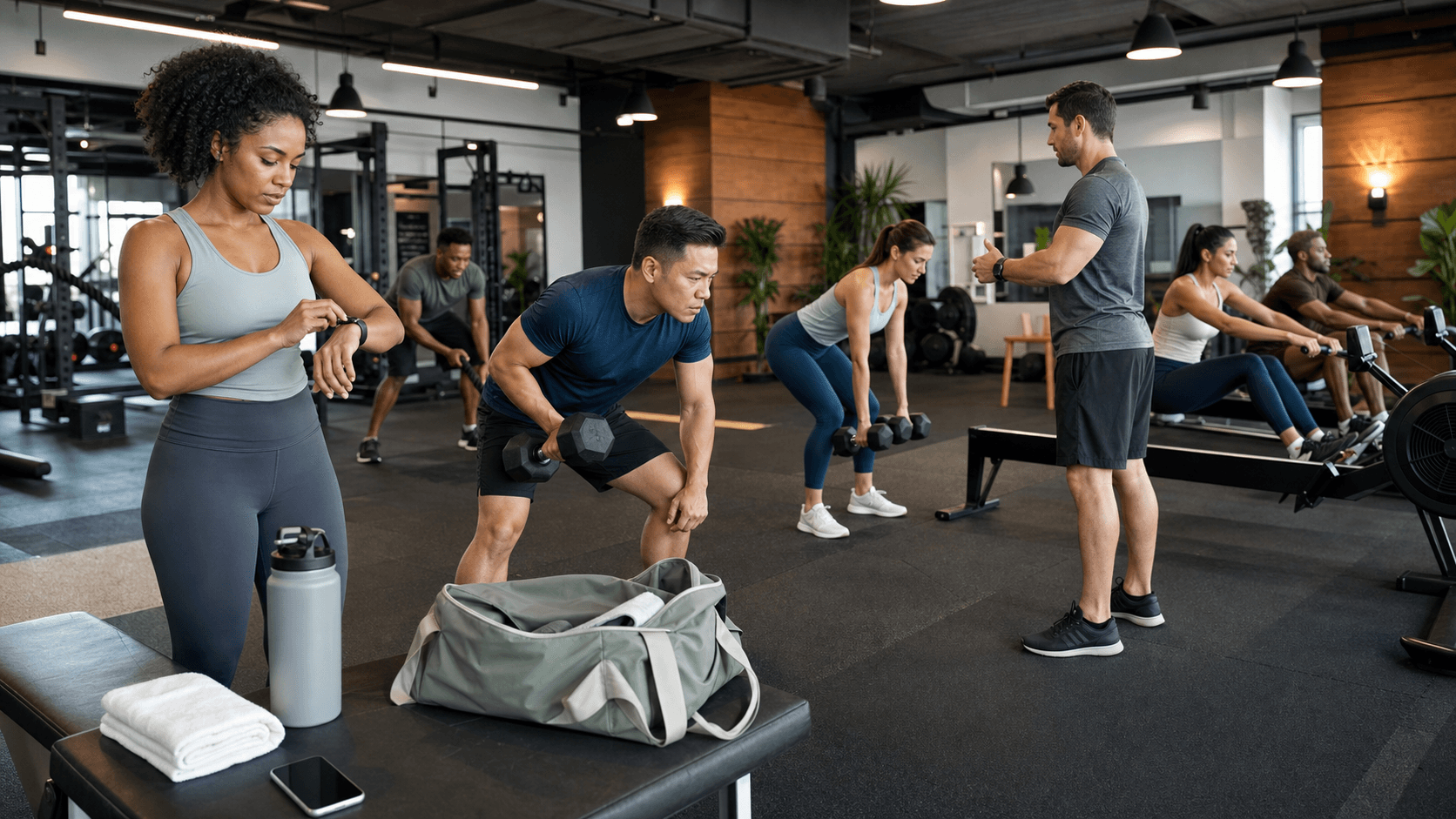
Small group personal training sits in the sweet spot between one-to-one coaching and big classes. People get more coaching than they would alone, more support than they would in a busy class, and a social, fun setting that makes hard work feel easier. Longer days and better weather can also make it feel easier to be active, and a steady 6 to 8 week block gives people time to feel fitter for summer without chasing quick fixes.
At a lifestyle-focused gym like ours in Chalfont St Giles, small groups are capped so everyone gets attention. Sessions are led by UKSCA coaches who care about clear technique, simple progressions, and a friendly community feel. In this guide, we will share a step-by-step framework you can use to build your first plan, avoid common beginner mistakes, and walk into each session knowing exactly what you are doing.
Clarify Who You Are Training and Why It Matters
Before you choose a single exercise, you need to know who is in front of you. Your small group personal training plan starts with your people, not your program ideas.
Think about your group in simple terms like:
- Fitness level, beginner, mixed, or intermediate
- Age range, very young, mixed adult, or older adults
- Injury history, back, knees, shoulders, and how often they flare up
- Lifestyle, desk-based workers, parents, or busy professionals on tight schedules
If most of your group sits at a desk all day, you will likely see tight hips, rounded shoulders, and low energy by late afternoon. That will shape your warm-ups, your coaching language, and how much volume you plan. If you have parents or busy professionals, shorter, focused sessions might work better than long, complicated ones.
Next, pick shared goals. You cannot be everything to everyone, so choose a clear theme like:
- Build strength and confidence with weights
- Move better and reduce everyday aches
- Feel fitter for walking, hiking, or active holidays
Once you know the shared goal, you can plan sessions that move everyone in the same direction, with room to adjust up or down for each person.
Safety and inclusivity should sit at the heart of your plan. For every main exercise, plan:
- At least one easier regression
- At least one harder progression
That way, everyone can train the same pattern, at their own level. Nobody feels left behind, and nobody is held back.
Choose a Simple Training Structure That Actually Works
For late spring and early summer, a 6 to 8 week foundation phase works well. The focus is not fancy methods. Instead, you want:
- Full body strength
- Basic conditioning
- Clean movement patterns
For most lifestyle clients, 2 to 3 small group personal training sessions per week is enough. How you split those sessions can be simple:
- Option 1, Full body every session, ideal for 2 days per week or very busy people
- Option 2, Upper body and lower body split, helpful if you have 3 days per week and want a bit more volume
Each session can follow the same simple structure:
- Warm up, 5 to 10 minutes
- Light cardio or movement prep
- Dynamic stretches, especially for hips, shoulders, and upper back
- Easy activation drills, like glute bridges or band pull aparts
- Main strength block, 2 to 3 key lifts trained in pairs or small circuits
- Accessory block, 2 to 3 exercises aimed at posture, weak links, or single-leg work
- Conditioning finisher, 5 to 10 minutes, short, controlled, not a punishment
The goal is to leave people feeling worked, not wiped out. They should be able to walk out of the gym, go to work, sleep well, and come back ready for the next session.
Select Smart Exercises and Build Balanced Sessions
Planning around movement patterns keeps things simple and effective. The main patterns to cover across the week are:
- Push, horizontal or vertical
- Pull, rows and pull-downs
- Hinge, hip-dominant moves like deadlifts
- Squat, knee-dominant moves like squats
- Lunge or split stance
- Carry, loaded carries for grip and trunk
- Core, anti-rotation, anti-extension, and bracing
When you think in patterns instead of body parts, it gets easier to adjust an exercise for different levels in the same group.
Good "big rock" exercises for small group personal training include:
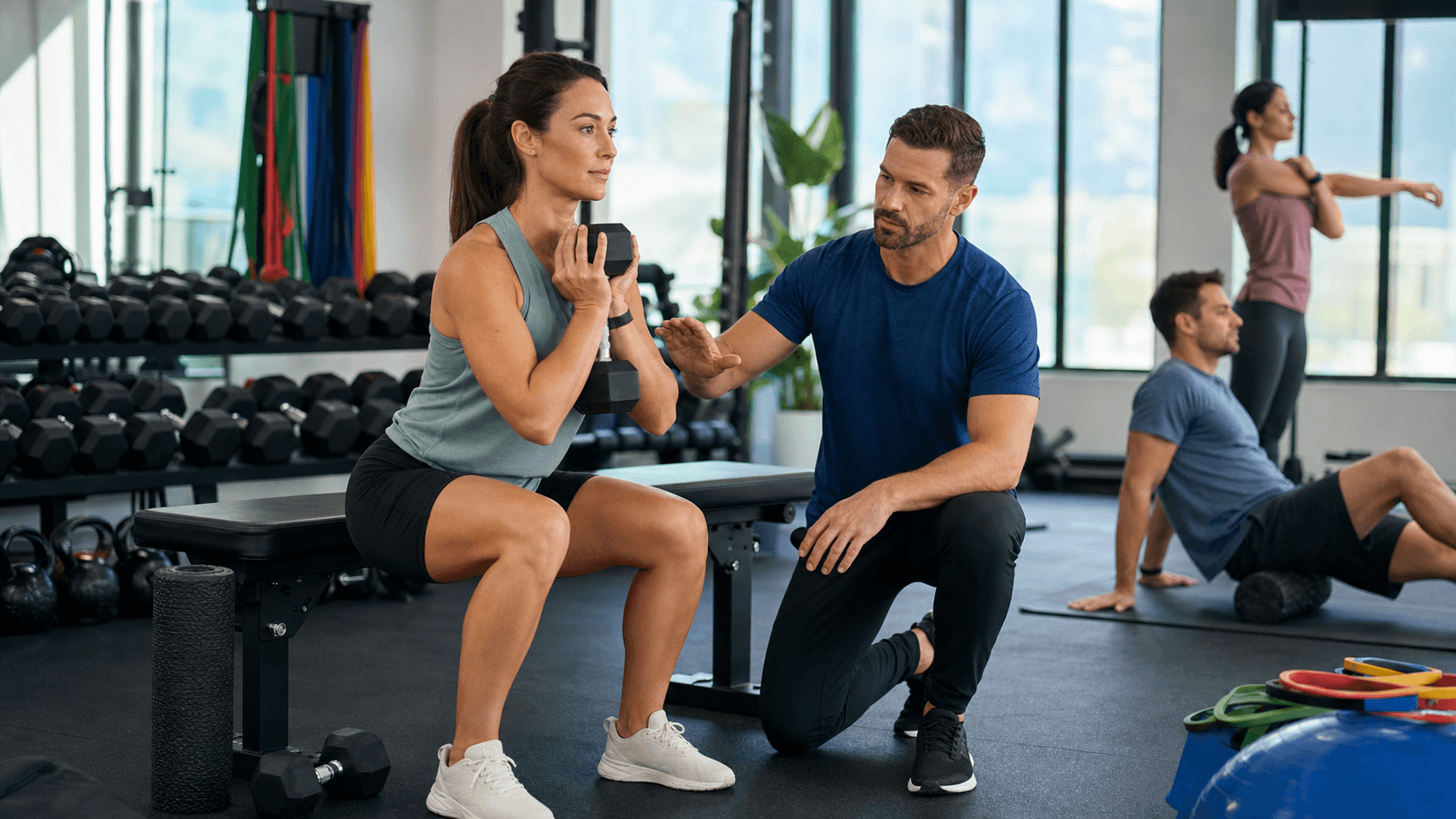
- Goblet squats
- Hip hinges or kettlebell deadlifts
- Dumbbell or cable rows
- Push-ups on the floor or with hands raised
- Split squats or reverse lunges
- Farmer's carries with kettlebells or dumbbells
- Simple core drills, like dead bugs, side planks, or plank variations
To keep sessions balanced, aim to:
- Pair upper and lower body moves, for example goblet squat with a row
- Alternate harder and easier stations, so one demanding exercise is followed by a less intense one
- Avoid stacking too many similar moves back to back, especially for knees or lower back
Across the week, check that you are not overloading any area. For beginners, too many lunges and squats on the same day can be rough on the knees, so you might pair a squat with a hinge and leave lunges for the accessory block or another session.
Progress, Personalize, and Keep Motivation High
Progress is what keeps people coming back. Over 6 to 8 weeks, you can use simple progression tools like:
- Add a small amount of weight while keeping the same reps
- Add 1 to 2 reps per set with the same weight
- Add an extra set for key lifts in later weeks
- Slow the lowering phase slightly to build control
- Move to a slightly harder variation, like going from a box squat to a full goblet squat
To personalize inside a group, you do not need to redesign the whole plan. Instead, build levels into each pattern. You might label them:
- Level 1, most supported version, like incline push-ups
- Level 2, standard version, like floor push-ups
- Level 3, more advanced version, like push-ups with a pause
Write the levels on the board and tell each member which level they are working at that day. This keeps the session flowing but still feels tailored and respectful of where each person is right now.
Motivation in small group personal training comes from:
- Tracking small wins: an extra rep, smoother movement, better balance
- Quick check-ins every few weeks to notice changes in strength or energy
- Positive coaching, clear cues, and celebrating effort, not just numbers
- The shared energy of the group, people working side by side on similar goals
When people feel progress, even small bits, they are much more likely to keep showing up as summer gets busier.
Turn Your New Plan Into Consistent Summer Progress
A clear 6 to 8 week block beats random workouts every time. When you repeat key lifts, keep the structure familiar, and progress slowly, your group can see and feel change by the middle of summer. They build habits that last beyond any short-term goal.
From here, you can map out three full sessions using this simple template, then stick with them long enough to see what works. If you want expert eyes on your plan or a supportive space to run it, a UKSCA-led, lifestyle-focused gym like GDN Fitness in Chalfont St Giles is built for exactly this style of training. With the right small group personal training plan in place, your group can feel stronger, more confident, and more at home in the gym all year round.
Start Strong With Focused Support That Fits Your Life
If you are ready for coaching that is tailored, effective, and keeps you accountable, our small group personal training is built for you. At GDN Fitness, we combine individualized attention with the energy of a team so you can train smarter and stay consistent. Tell us about your goals and schedule, and we will guide you to the best starting point. Have questions or want to see if we are a good fit for you? Just contact us and we will walk you through the next steps.