Regain Your Gym Confidence After Injury
Coming back to the gym after an injury can feel scary. Your body feels different, your routine is broken, and you might worry that one wrong move will set you back again. On top of that, you may feel pressure to get back into shape quickly as social plans and active weekends start to fill your calendar.
We want you to know that you are not alone in feeling this way. Rebuilding confidence is just as important as rebuilding strength. A careful return can support your long-term health, mobility, and mental well-being. It is not only about how you look, it is about moving without fear and enjoying the things you love.
At GDN Fitness, we see people in this stage all the time. Our goal is to give you a safe, relaxed space where you can rebuild at your own pace with proper coaching. In this article, we will walk through mindset shifts, practical steps for the gym, and how focused personal training in Chalfont St Giles can support a safer, more confident comeback.
Understanding Your Injury and Your Fears
One of the first steps is understanding what actually happened to your body. Many common gym injuries come from simple training mistakes, such as:
- Overusing the same muscles without enough rest
- Poor technique, especially under heavy loads
- Rushing progress, adding too much weight or intensity too quickly
- Skipping warm-ups, cool-downs, or mobility work
Knowing the likely cause helps remove some of the mystery. Instead of thinking, "My body just failed me," you can think, "Something in my plan or technique needs changing." That shift alone can lower anxiety.
There is also a big mental side to coming back after an injury. You might feel:
- Afraid that any pain means a new injury
- Embarrassed that you are lifting less or moving slower
- Worried other people in the gym are judging you
- Frustrated that you feel behind on your fitness goals
These thoughts are common, but they do not tell the full story. An injury can be feedback, not a final verdict. It can be a chance to:
- Upgrade your technique and movement patterns
- Build better recovery habits like sleep and stress management
- Strengthen smaller stabilizing muscles you used to ignore
- Learn what your body responds to best
When you treat the setback as information, you move from feeling stuck to feeling in control again.
Building a Safe and Smart Return-to-Gym Plan
Before you start loading up the bar again, it is important to speak with a medical professional or physio. They can explain what structures were affected and what movements are safe or should be limited for now.
Then comes the key step: turning those guidelines into a real plan in the gym. A smart return usually includes:
- Reduced load: start lighter than you think you need to
- Reduced volume: fewer sets and reps at first
- Controlled tempo: slow, steady reps instead of fast, jerky ones
- Clear warm-up: mobility, activation, and light cardio to prepare the area
- Thoughtful cool-down: gentle stretching and breathing to calm your system
Think of the first few weeks as building a strong base, not trying to prove anything. Your goal is to finish each session feeling like you could have done a bit more, not like you gave absolutely everything.
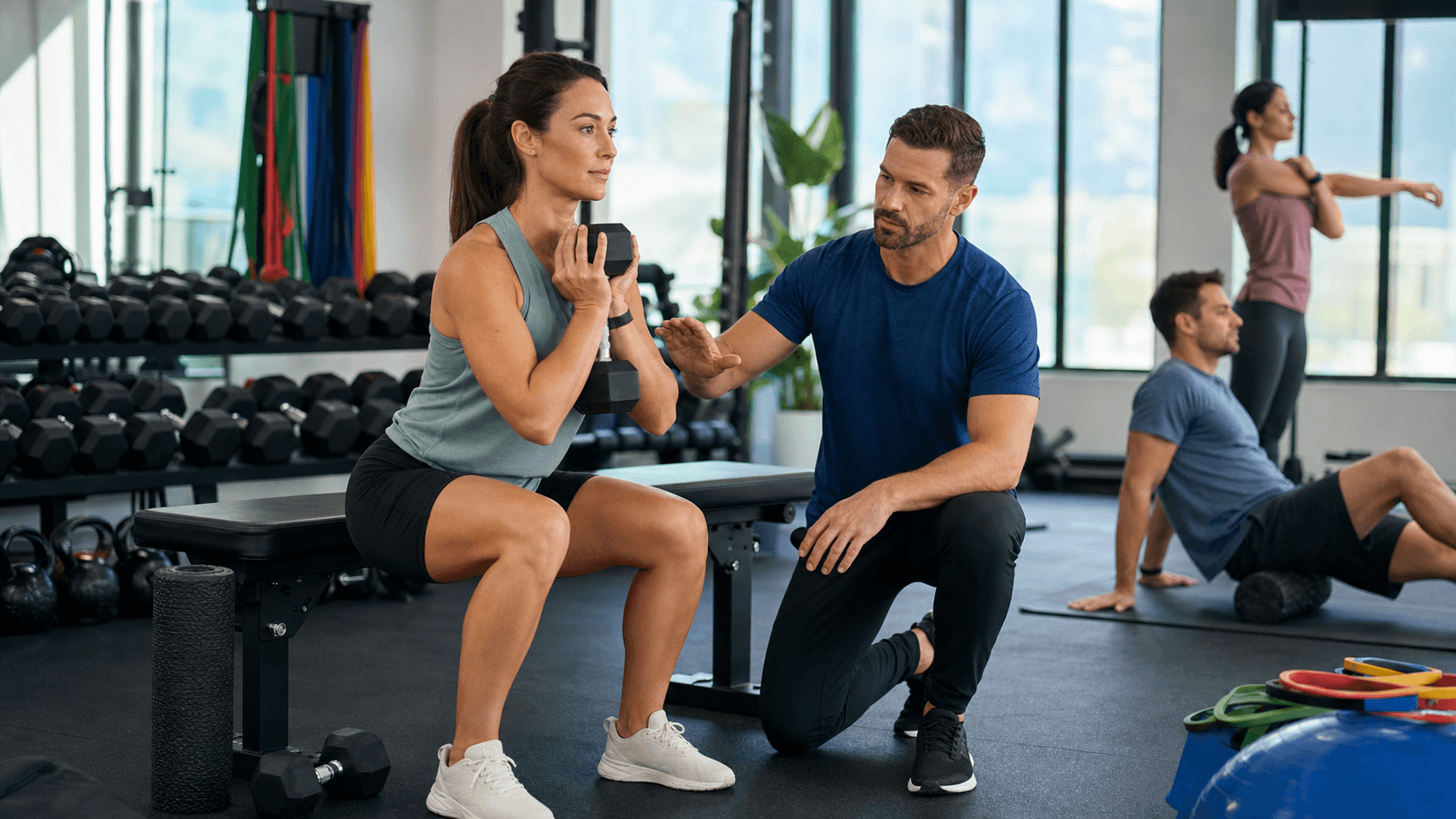
This is where good coaching can help. A coach who understands both rehab work and real-world gym training can connect the two. They can take the exercises your physio gave you and blend them into full sessions that feel like proper training, not just rehab homework. That balance helps you feel like an athlete again, even while you are still healing.
Using Coaching to Rebuild Trust in Your Body
Trusting your body again is a process. At GDN Fitness, our UKSCA-qualified coaches start by assessing how you move now, not how you used to move. We look at:
- Range of motion and any stiff areas
- Movement patterns like squats, hinges, pushes, and pulls
- Strength differences between sides of the body
- How confident and relaxed you seem while doing each movement
From there, we build individualized sessions that match your current level. The goal is for each session to feel challenging but safe. You should feel focused, not fearful.
For many people, small-group PT is a great step between 1-to-1 sessions and training totally on their own. You get:
- Accountability from regular sessions
- A sense of community with others doing focused training
- A calmer setting than a busy commercial gym
- Space to ask questions and get clear coaching cues
Good coaching is a balance. It should protect you from doing too much, too soon, while still giving you enough challenge to grow. Clear explanations, planned progressions, and honest feedback help you learn that discomfort is not the same as danger, and that your body is able to adapt again.
Staying Consistent Without Triggering Setbacks
Once you are back in the gym, the big goal is consistency without flare-ups. That often means adjusting how you train, not stopping training completely.
Some useful strategies include:
- Training around the injury instead of through it
- Using alternative exercises that hit similar muscles with less stress
- Reducing impact, for example choosing the bike instead of running
- Limiting range of motion at first, and expanding it slowly
- Using machines, benches, or straps to give extra support
Outside the gym, your habits matter just as much. Recovery basics that support progress include:
- Regular sleep and a calm evening routine
- Drinking enough water across the day
- Gradual conditioning, not big jumps in steps or cardio time
- Planned lighter weeks so your body can adapt
- Listening to early warning signs like sharp pain or swelling
Life gets busy, especially when social plans pick up and the weather is nicer. This is where structured personal training in Chalfont St Giles can keep you steady. Having planned sessions in your week makes it easier to stay consistent, adjust when your schedule changes, and keep your training focused on progress, not risk.
Start Your Stronger, Smarter Comeback Today
After an injury, success does not have to mean hitting your old numbers as fast as possible. A better version of success might look like:
- Moving through daily life without pain
- Feeling confident picking up something from the floor
- Joining in with walks, hikes, or active plans without worry
- Seeing slow but steady progress in your strength and fitness
A simple way to begin is:
- Speak with your doctor or physio about what is safe
- Choose one clear goal for the next 8- to 12-week plan
- Plan a structured return so you are not guessing in the gym
At GDN Fitness in Chalfont St Giles, we care about more than just getting you back to where you were. We want to help you come back smarter, with better habits, better technique, and more trust in your body. An injury setback can be the start of long-term strength and confidence, with the right support around you.
Transform Your Fitness Goals Into Real Progress
If you are ready to turn your training efforts into consistent, measurable results, our coaches are here to guide you. Explore how our personal training in Chalfont St Giles can be tailored to your schedule, current abilities, and long-term goals. At GDN Fitness, we take the time to understand what you need, then build a plan that fits your life. Have questions or want to book a consultation now? Just contact us and we will help you get started.