Match Your Autumn Fitness Goals to the Right PT Session
Autumn is a good time to get a bit more structure in your training. The evenings get darker, diaries fill up, and it becomes very easy to skip movement altogether. Having a simple, clear plan can make the difference between sliding into winter feeling tired or heading into it feeling strong and calm.
Small group personal training gives you that structure without throwing you into a huge class where you feel lost. You still get coaching, guidance, and a friendly push, but with space to breathe, ask questions and move at your own level. That is exactly how we run things in our private gym in Chalfont St Giles.
At GDN Fitness, our small group PT sessions fall into three main styles: Strength, Conditioning and Mobility. Each one changes how you look, move and feel in a slightly different way. By the end of this article, you will have a clear idea of which style, or mix of styles, fits your goals, your confidence and your weekly routine.
Why Small Group Personal Training Works so Well
Small group personal training sits in the sweet spot between one-to-one coaching and big classes. At GDN Fitness, group sizes are deliberately kept small, so you are never just a number. You work in a relaxed, high-quality space, with a coach who knows your name, your history and your aims.
Some key benefits of small group PT include:
- More accountability than training on your own
- More personal attention than large commercial classes
- A sociable, friendly feel that makes workouts less stressful
- Structured sessions so you do not have to plan your own training
Because the groups are small, we can adapt the same plan for different abilities in the room. Someone newer might use lighter weights and slower progressions, while a more experienced lifter follows a tougher version of the same exercise. Nobody is left behind, and nobody is held back.
As the days get shorter and work or family pressures build, that steady structure can keep you on track. Regular sessions, clear progression and check-ins with your coach help support your energy, mood and general health, even when life feels busy.
Strength Sessions for Building Muscle and Confidence
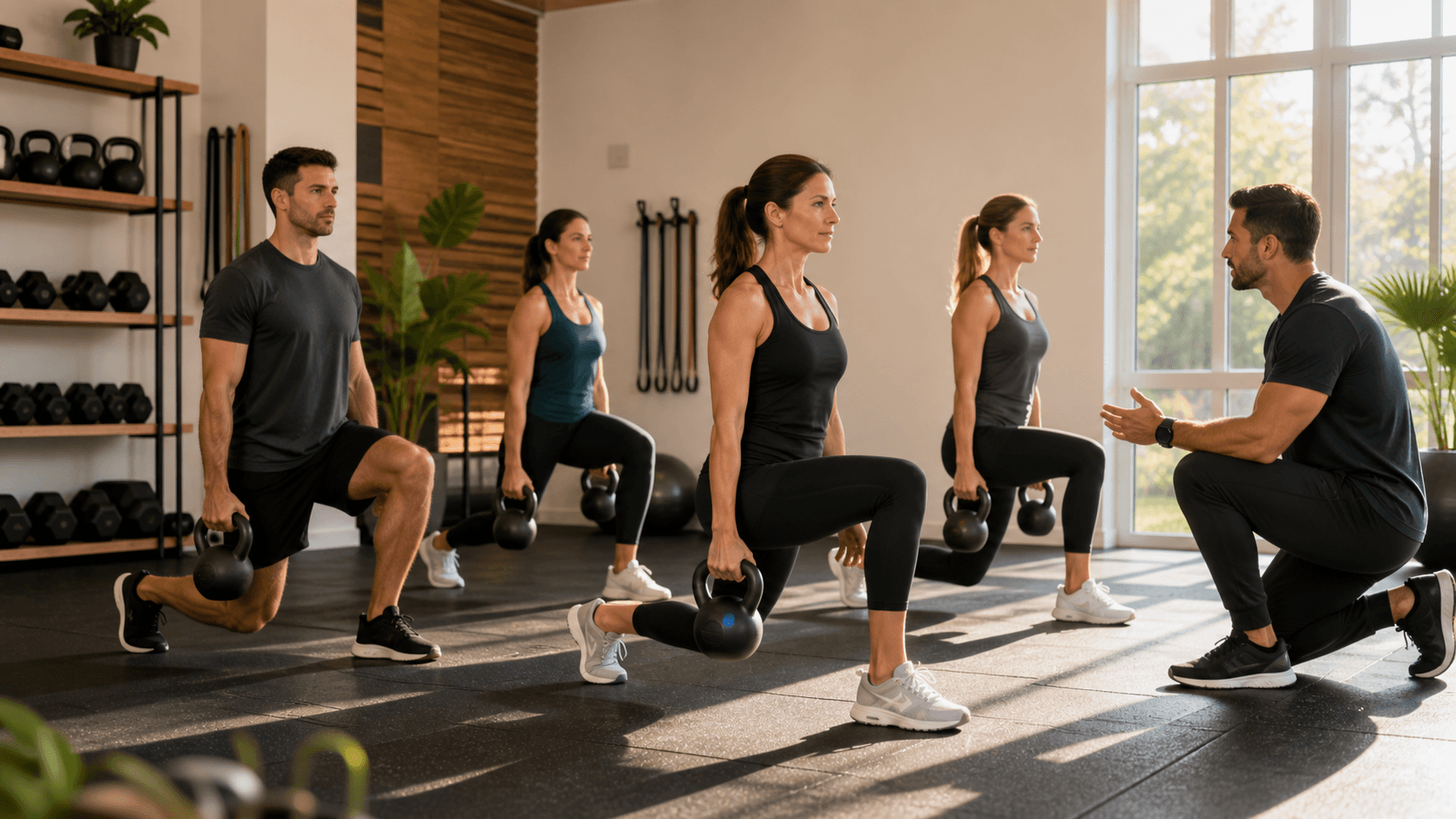
Strength sessions are focused on resistance training. You will usually work with free weights, machines and bodyweight, using controlled tempos rather than rushing. The aim is progressive overload, which means gradually asking your muscles to do a little more over time so they adapt and grow stronger.
In a typical strength-focused small group PT session you might:
- Lift weights for the major muscle groups, such as squats, presses and rows
- Work in sets and reps with rest between each round
- Practise safe technique so you feel confident with each move
- Track your progress, for example small increases in weight or reps
Strength work is a great choice if you want to change your body shape, support a healthy metabolism before a more indulgent season, or simply feel stronger for everyday tasks like carrying shopping or playing with kids. It is also helpful for bone density and joint support as we get older.
With consistent strength training over 8 to 12 weeks, many people notice:
- Better posture and body awareness
- More visible muscle tone
- Growing confidence in the gym and in daily movement
- Fewer little aches from sitting, driving or commuting
As a general guide, most people do well with 2 strength sessions per week. If your main goal is body recomposition, you might make strength your base, then add 1 conditioning session for fitness and 1 mobility session every week or two for balance.
Conditioning Sessions for Fitness, Fat Loss and Energy
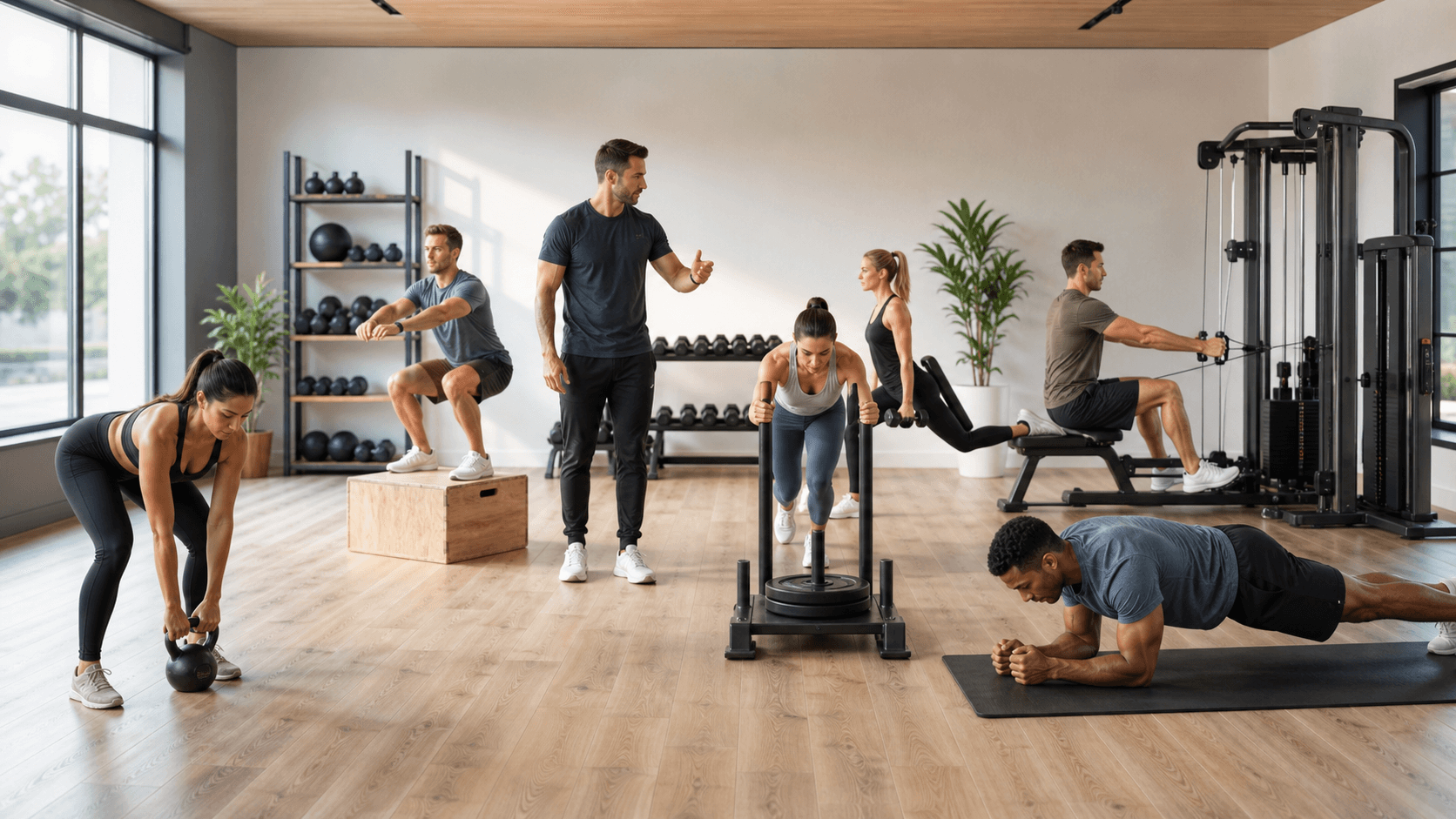
Conditioning is all about fitness, work capacity and calorie burn. These sessions are usually full-body and use tools like intervals, circuits and mixed equipment. You will work harder for short bursts, then recover, which keeps the sessions engaging and time efficient.
In small group PT, conditioning might include:
- Interval blocks on bikes, rowers or sleds
- Bodyweight and light resistance circuits
- Timed work and rest periods that are adjusted to your level
- A mix of heart-rate-raising work and active recovery
Conditioning is a smart choice if you want to:
- Improve general fitness quite quickly
- Support healthy fat loss before a busy social season
- Feel more energetic walking the Chilterns or keeping up with family
- Get a lot of work done in a short window of time
Because numbers are capped, coaches can watch how you move, tweak your technique and scale each movement. If you are newer, your coach might shorten your work periods, lengthen your rest or pick simpler versions of the exercises. If you are fitter, you might get longer working sets or tougher options.
For many people, 1 to 2 conditioning sessions per week works well. If your schedule only allows 2 or 3 total sessions, a good split could be 2 strength and 1 conditioning, or 1 strength and 2 conditioning if fitness and fat loss are your clear priorities. Recovery matters too, so we often pair harder conditioning days with lighter mobility or walking between sessions.
Mobility Sessions for Longevity, Comfort and Performance
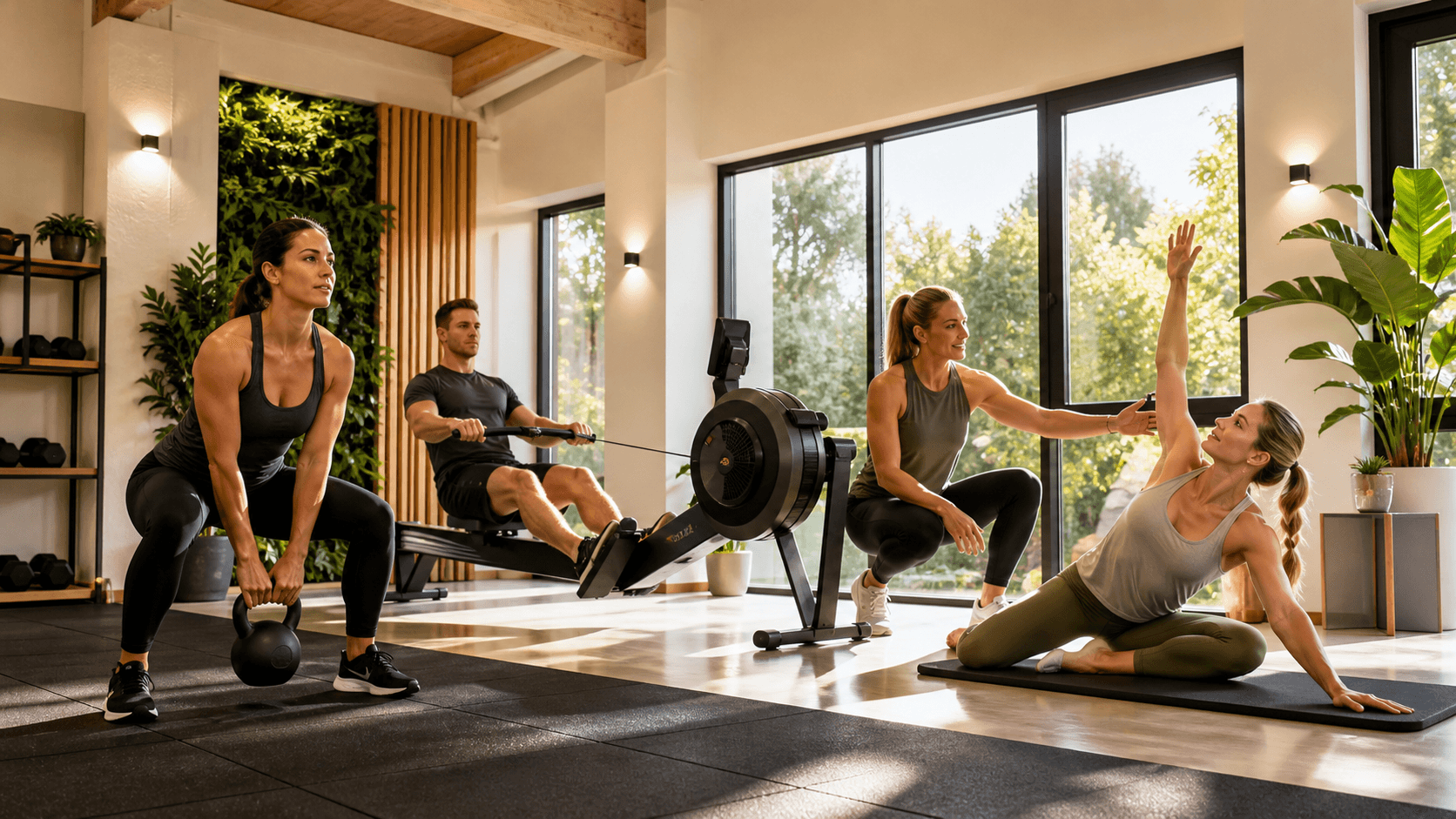
Mobility sessions are about moving better, not just sweating more. They focus on controlled joint work, dynamic stretching, core stability and low-impact strength. You still work, but the goal is comfort, control and range of motion instead of chasing fatigue.
A mobility-focused small group PT session might include:
- Gentle, guided warm-ups for stiff areas like hips, shoulders and back
- Controlled movements that take joints through a comfortable range
- Core and glute work to support your spine and posture
- Breathing and relaxation drills to help you unwind
Mobility is especially useful if you:
- Sit at a desk for long periods and feel tight or achy
- Are an older adult who wants to stay active and steady
- Are coming back from minor niggles and want to train safely
- Simply prefer a calmer style of session some days
Across the colder months, regular mobility work can reduce stiffness, support better sleep and recovery, and lower your risk of picking up injuries. It also makes your strength and conditioning sessions feel smoother and more effective, because your joints can actually move into the positions they need.
You can treat mobility as:
- A weekly stand-alone session
- A "recovery" choice during busier or more stressful weeks
- A way to stay consistent when energy is a bit lower
Even one focused mobility session most weeks can make a big difference over time.
Build Your Ideal Weekly Mix This Autumn
The right blend of sessions depends on what you want most over the next couple of months.
A simple framework is:
- Strength-dominant: 2 strength, 1 conditioning, plus mobility when you can, if body recomposition and muscle tone are your main goals
- Conditioning-dominant: 1 strength, 2 conditioning, with short daily mobility at home, if you want fitness and fat loss
- Mobility anchored: 1 strength, 1 conditioning, 1 mobility, if you care most about staying pain free, active and steady long term
Set goals that fit your real life. From late autumn through to the new year, that might mean aiming for 2 to 3 small group personal training sessions each week, with room for family plans, work and the odd late night. Try to avoid all or nothing thinking. Consistent "good enough" sessions beat random bursts of perfect effort.
If you are local to Chalfont St Giles and you are not sure where to start, a chat with a coach at GDN Fitness can help. Together you can look at your current level, your lifestyle and your stress levels, then pick the right mix of Strength, Conditioning and Mobility so you feel stronger, fitter and more energised heading into winter.
Start Achieving Stronger Results With Expert Support
If you are ready to train with structure, accountability and expert coaching, our small group personal training is the ideal next step. At GDN Fitness we keep groups intentionally small so you get individual guidance while still enjoying the motivation of training alongside others. Tell us about your goals and we will recommend a tailored plan that fits your schedule. To book your first session or ask a question, simply contact us.