Build Strength That Lasts Beyond Summer
Summer sports can be a great kickstart. Kids are back on pitches, local races pop up, and adults dust off tennis rackets, bikes, and golf clubs. Training picks up, legs ache in a good way, and it finally feels easier to be active.
The problem is that most people only push hard for a few weeks before a race, league, or holiday. Then life gets busy again, and training drops off. This on-and-off pattern leads to plateaus, nagging aches, and a sense that you are always starting from zero.
At GDN Fitness, we like a different approach. We see summer training as the launchpad for year-round strength, not just a short sprint. With the right plan, your summer sport can feed into better movement, better performance, and a body that feels ready for anything, any month of the year.
Why Summer Training Often Fades by Fall
Many people follow the same pattern each year. Training ramps up when the weather turns nice, then almost disappears once daylight fades and schedules fill up again.
A typical cycle looks like this:
- A big push in late spring and summer
- Lots of classes, runs, matches, and long days outside
- Back-to-school rush, darker evenings, more work stress
- Training drops, energy dips, old aches return
When that happens, you often lose the strength and fitness you worked so hard to build. Movement gets a bit sloppy, runs feel heavier, and joints feel less supported. By the time the next sport season starts, the body is not as ready as the calendar suggests.
Another problem is a sport-only focus. If training is only:
- Playing matches or league games
- Going on steady runs and rides
- Doing random high-intensity classes
then key areas can be left behind. Things like hip strength, core control, shoulder stability, and ankle strength do not always get enough attention. Over time, that can mean more tightness, more little injuries, and less confidence when you push hard.
There is also the mental side. When training is all-or-nothing or tied only to a season, it feels harder to restart after a break. Motivation drops, people feel guilty, and that first session back can feel like a mountain.
Build Bulletproof Basics for Every Sport
When we talk about strong movement foundations at GDN Fitness, we do not mean fancy tricks. We mean simple things done really well, over and over.
These basic patterns show up in almost every sport and in daily life:
- Squat, sitting down and standing up with control
- Hinge, bending at the hips to pick something up without straining your back
- Push, pressing away from the body, like a push-up
- Pull, rowing toward the body, like pulling a door or a resistance band
- Rotate, turning through the torso without twisting the knees or lower back
Think about common summer activities. Running on uneven paths needs strong hips and ankles. Tennis and padel need quick changes of direction and solid core strength. Football, netball, and other pitch sports need power in your legs and control in your landings. Even lifting paddleboards, bikes, or coolers needs safe hinging and bracing.
A focused strength and conditioning gym will target key areas that support all of this:
- Hips and glutes that protect your knees and power your stride
- A strong, stable core that supports your lower back
- Shoulders that can handle throwing, swinging, and overhead work
- Ankles that stay steady during cutting, jumping, and landing
These foundations are not just for beginners. Active adults and experienced athletes often have small gaps in movement that limit their power or cause repeat aches. Cleaning up technique and building strength in the right areas can make sport feel smoother and more explosive, without needing more sessions on the pitch or road.
Turn Summer Sport Gains Into Year-Round Strength
Summer is the perfect time to build, not just burn out. You have more chances to move, more daylight, and often a bit more energy. With a clear plan, this can be your strength launch phase rather than a one-off spike.
A smart approach might look like this:
- Late spring and summer , build baseline strength, sharpen movement, and line training up with your main sports or events
- Autumn and winter , slightly reduce total volume, but keep 2 to 3 focused strength sessions each week to hold and grow your base
- As new sport seasons come around , shift to a bit more power, speed, and conditioning while keeping key strength work in place
- During busy competition times , pull back the load but keep a few key exercises to maintain strength and protect your joints
This idea is called periodization, which is a simple way of saying that training changes across the year. Some months are about building, some about sharpening, and some about holding what you have while life gets busy.
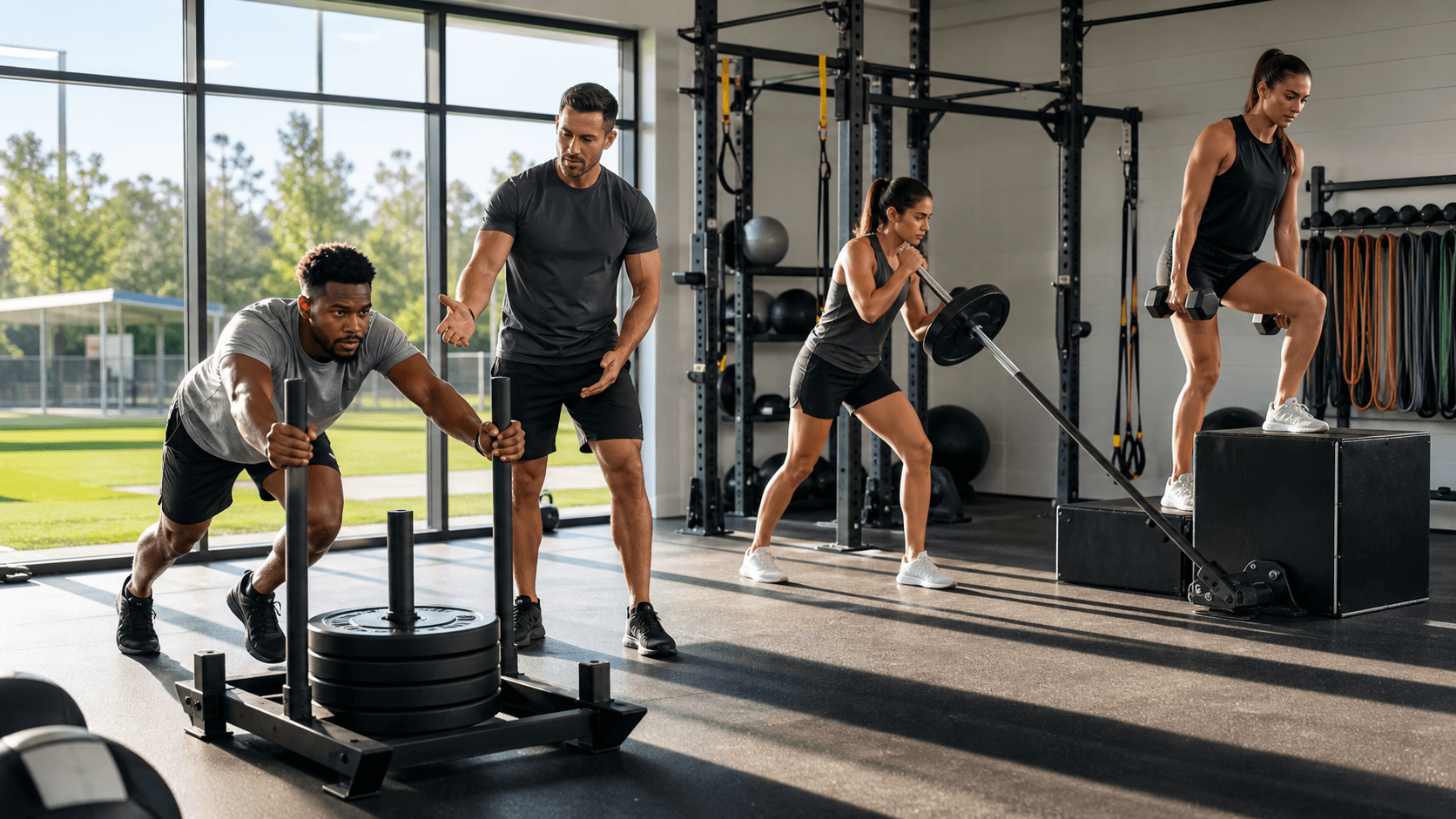
A strength and conditioning gym takes the guesswork out of this. You should not have to decide every week whether to lift heavy, run intervals, or just rest. With a coach, you can follow a planned arc that matches your lifestyle and sport seasons, so you roll into each phase prepared instead of panicked.
Small Group Coaching That Fits Real-Life Schedules
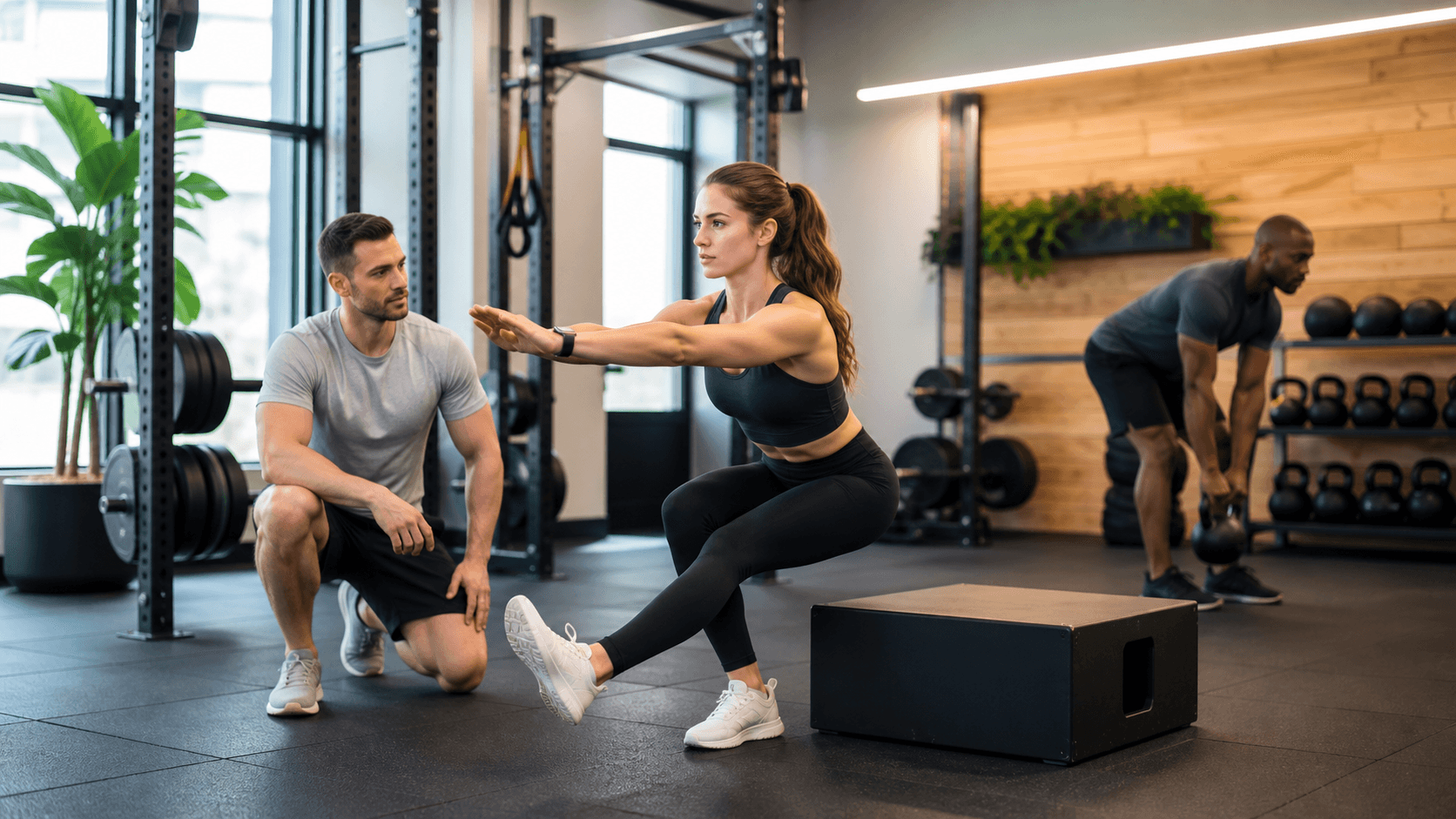
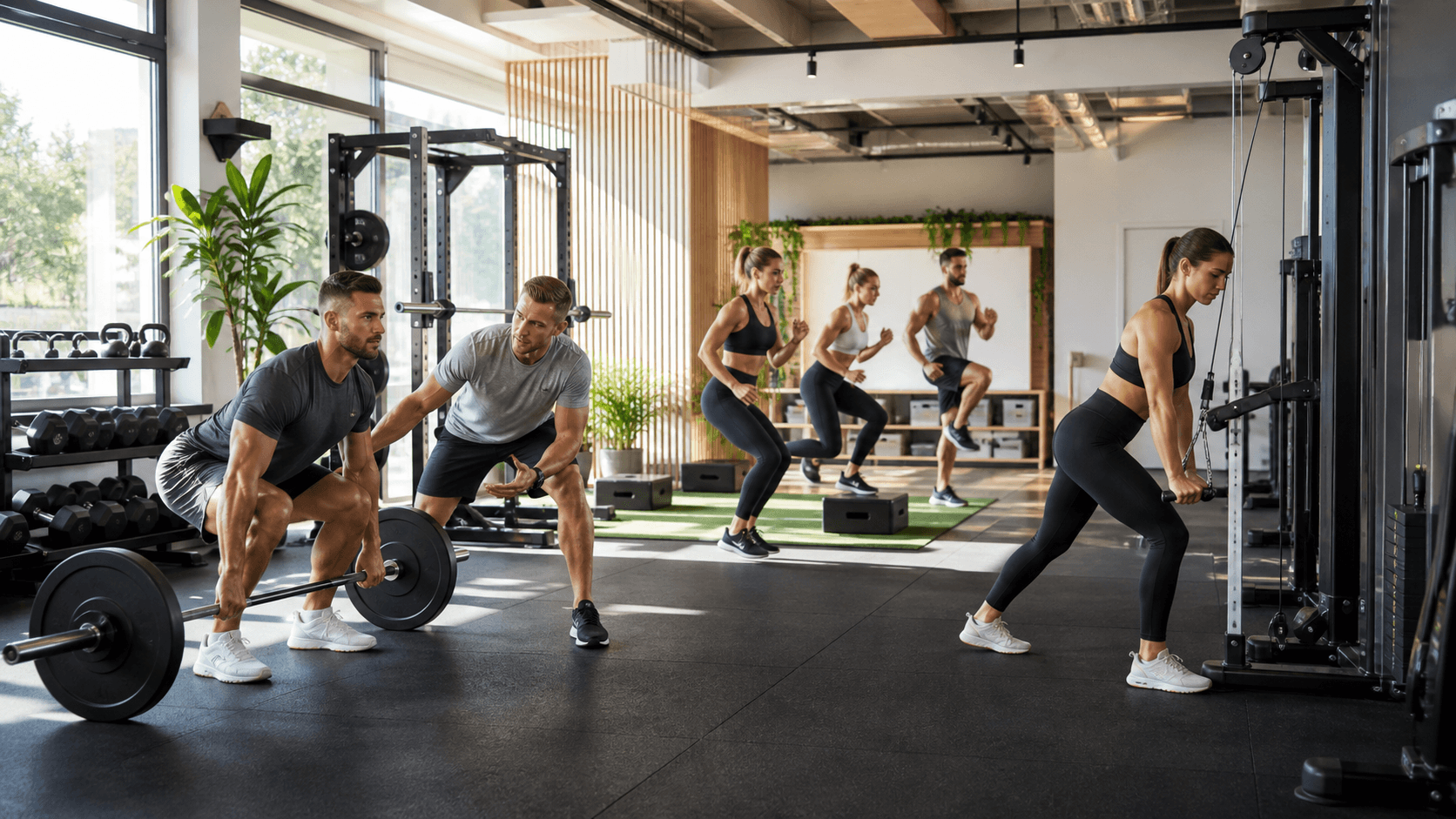
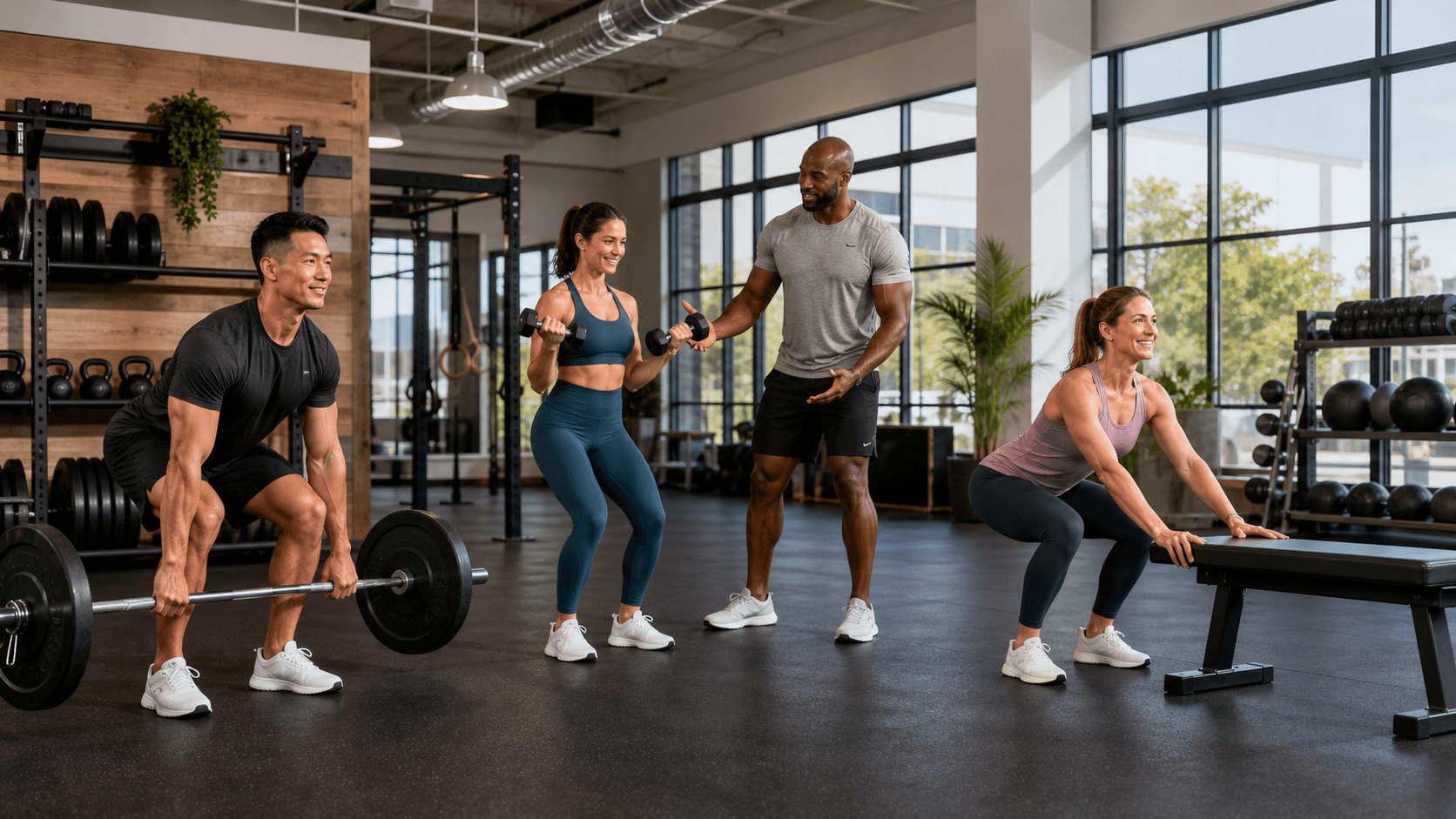
Of course, even the best plan will not work if it does not fit your life. That is why small group personal training can be so helpful for busy people in and around Chalfont St Giles.
With this style of training, you get:
- Personal coaching and custom exercises for your body and goals
- The energy of a small group, which makes training more fun and less stressful
- Flexible times that work around school runs, work, and travel
On any given day, people can come in with very different needs. Someone might be in the middle of a sport season, another just back from holiday, another managing a tight back from desk work. In a semi-private setup, coaches can adjust each person's session so they get what is right for them on that day, not a one-size-fits-all workout.
At GDN Fitness, we also look beyond the session itself. Sleep, stress, and simple nutrition habits all affect how your body feels and how long your summer gains last. When training fits the rest of your life instead of fighting it, it becomes something you can keep doing all year, not just when the sun is out.
Make This Summer the Start of Your Strongest Year
Summer does not have to be a short rush to get in shape before races, beaches, or sport seasons. It can be the time you finally build a base of strength and movement that carries you through darker, busier months without losing everything you gained.
When you treat your summer sport as a starting point, not a deadline, you give your body a chance to grow stronger each season. With a clear plan, focused strength and conditioning, and support from coaches who understand real-life demands, every summer can move you closer to the way you want to feel and perform, all year long.
Turn Your Training Goals Into Real Strength Today
If you are ready to train with purpose instead of guessing your workouts, our strength and conditioning gym is built to guide you every step of the way. At GDN Fitness, we design programs that match your current level while pushing you toward measurable progress. Book your first session with our coaches so you can feel stronger, move better, and train with confidence. If you have questions or need help getting started, just contact us.