Find Your Fit: Why Small-Group PT Beats Going It Alone
Choosing the right group personal training programme can make the difference between giving up after a few weeks and actually building a fitness habit that sticks. When you train in a small group, you get structure, coaching and support, without feeling lost in a busy gym or pressured in a huge class.
As routines settle and life gets back into a steady rhythm, it is a great moment to commit to something a bit more organised. A small-group PT set-up gives you clear sessions to attend, people expecting you to turn up and a coach guiding what you do, so you do not have to guess. By the end of this article, you will know what to look for in a coach, how to judge a class format and how to use a trial session to see if a programme really fits you.
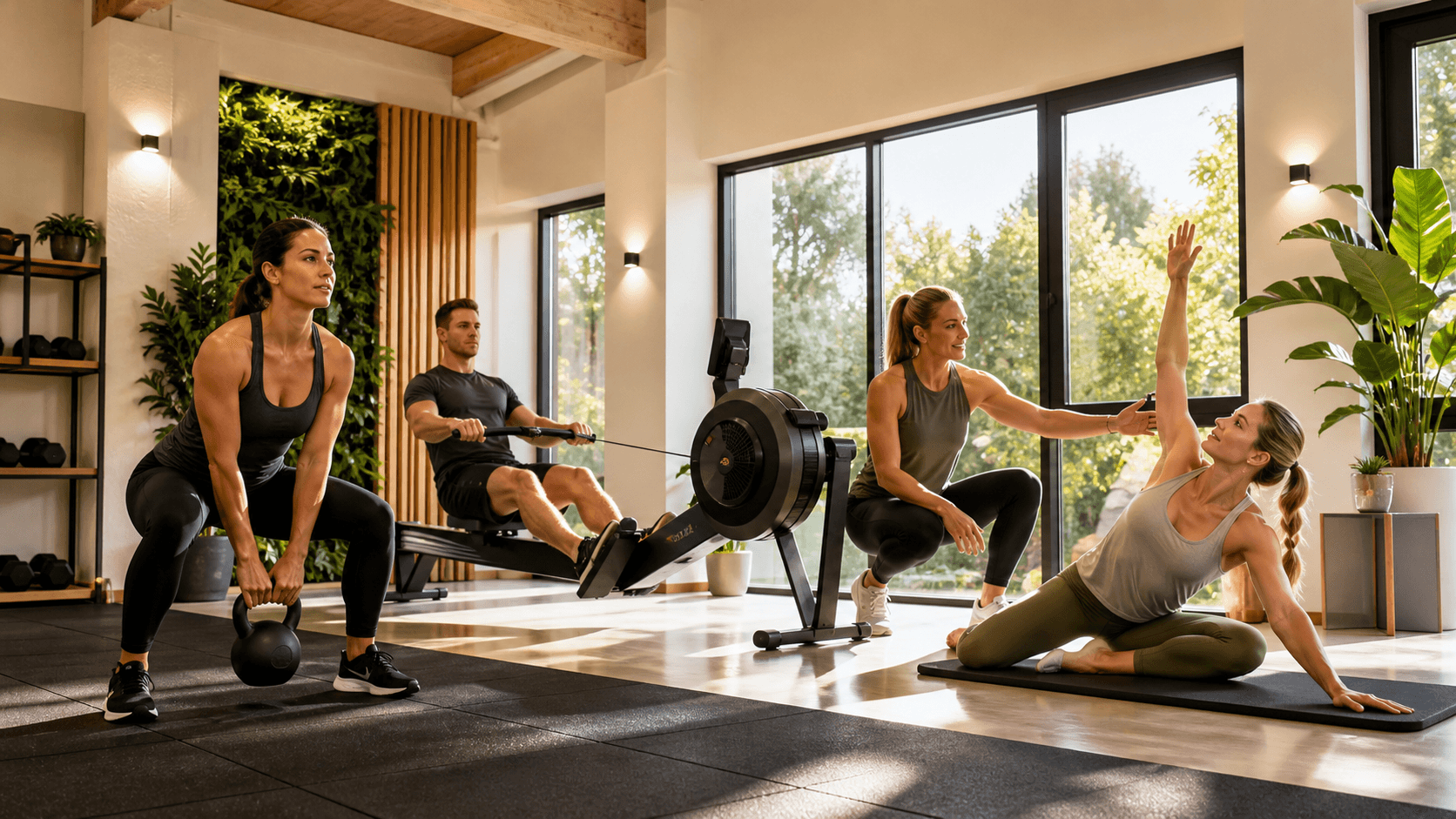
Small-group PT sits between 1 to 1 training and large classes. You still get expert coaching and thought-through programming, but you also get the energy, social side and shared effort that comes with training alongside others. The key is choosing the right environment for you, not just the one that pops up first on social media.
Spotting Qualified Coaches Who Actually Coach You
The person leading the session matters more than the music, the kit or the branding. You are trusting them with your body, your time and your effort, so you want someone who knows what they are doing and can explain it clearly.
Useful things to look for include:
- Recognised personal training qualifications, usually Level 3 or above
- Experience with people similar to you, for example busy parents, those with office jobs, or people easing back from aches and pains
- An interest in strength and conditioning, not just generic workouts
It is also worth paying attention to how they talk about training. A good coach usually:
- Talks about long term progress, not quick fixes
- Mentions habits, sleep, recovery and stress, not just calories burned
- Focuses on getting you stronger and moving better for everyday life
Coaching style is personal. Some people like high energy and loud encouragement, others prefer calmer, quieter guidance. During your first chat or consultation, notice whether they ask questions and listen to your answers, or if they just talk at you. Red flags can include:
- Only ever talking about fat burning circuits
- No mention of assessments, technique or progression
- Giving everyone the same plan, no matter their ability
You want someone who can adapt a movement on the spot and explain the why in plain language, without hiding behind jargon.
Choosing a Class Format That Matches Your Goals
Not all group personal training is the same. Class size and structure can change the whole feel of a session, and how much coaching you actually get.
In general, small-group PT means:
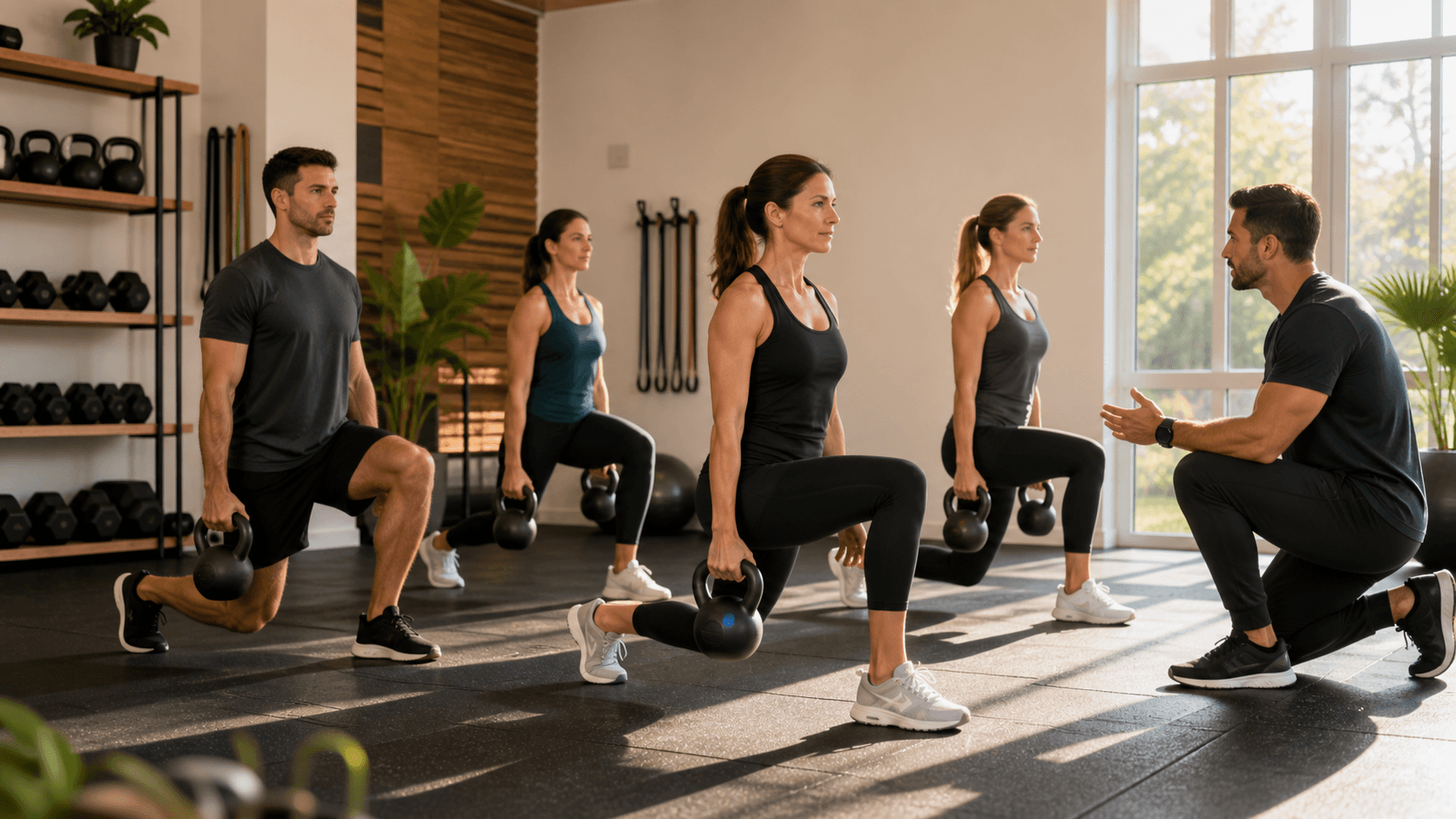
- Around 4 to 8 people in a session, not 15 or more
- A semi-private feel, where everyone is coached but working on slightly different things
- Enough space and time for the coach to see each person move
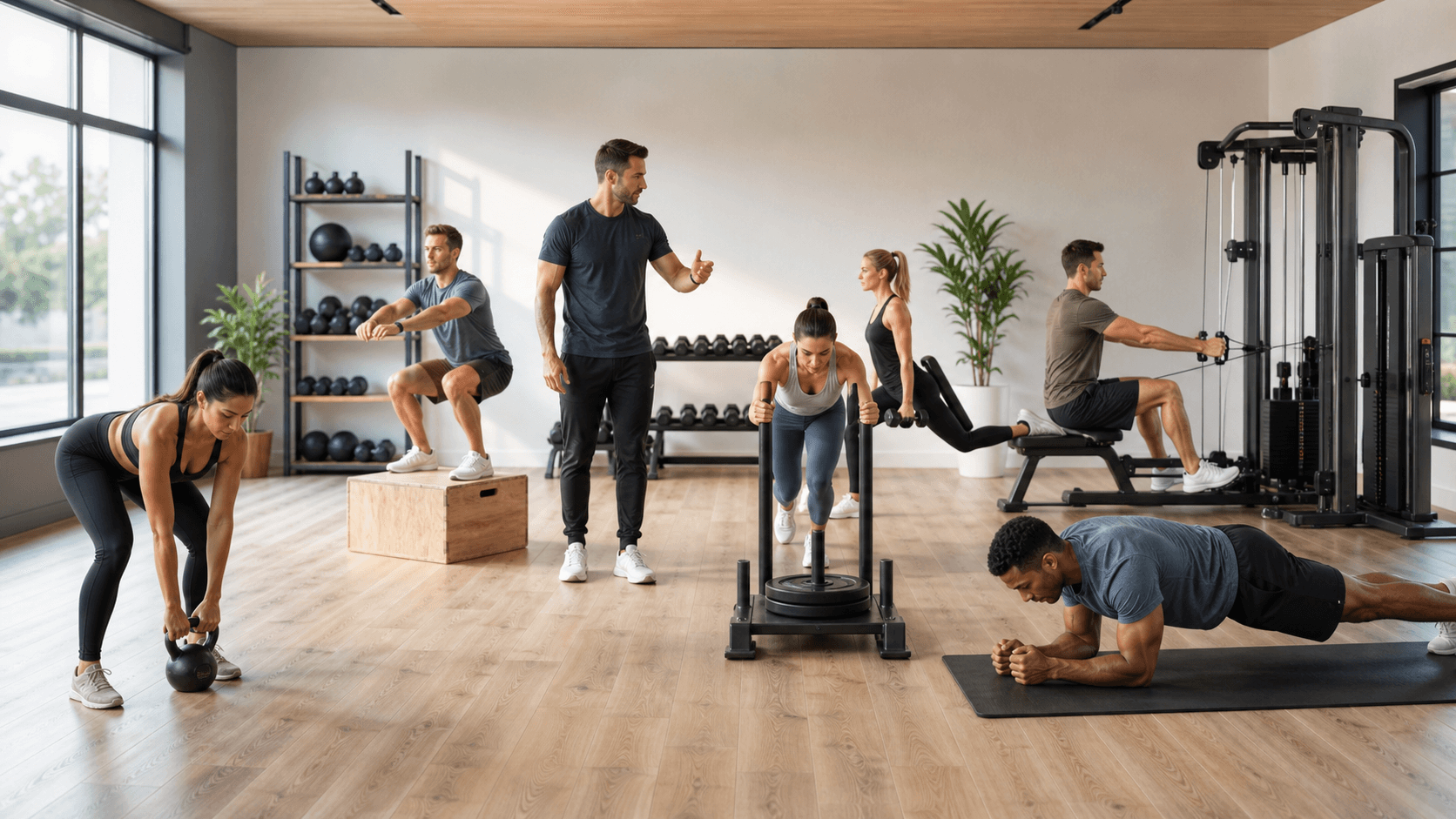
With smaller groups, you can still follow your own plan inside a shared session. One person might be working on barbell squats, while another does a variation that suits their experience or injury history. You get the benefits of tailored training, but still share the atmosphere.
A well-designed session normally includes:
- Warm-up and mobility work to prepare your joints and muscles
- A main strength focus, such as lower body, upper body or full body lifts
- Some conditioning or cardio-based work near the end
- A short cool-down or movement reset so you do not rush out tight and sore
Programmes should build over weeks and months. You should see similar movements repeated, with changes in weight, reps or variations, instead of a random workout every time. This is how you actually get stronger and fitter.
Match the format to your aims and your diary. If your goal is:
- Strength and muscle: look for sessions with clear lifting time, not only circuits
- General fitness and fat loss: a blend of strength and conditioning can work well
- Mobility and feeling better: sessions that mention movement quality, not only intensity
Be honest about how many times each week you can train and at what times of day you feel most able to give effort. In the darker, cooler months, a realistic schedule is more useful than a perfect one you cannot stick to.
Environment, Equipment, and Community Vibes
When you walk into a gym, the space tells you a lot. For group personal training, you want enough room for everyone to move safely and enough kit to avoid lots of waiting around.
- Clean, tidy floors with clear training areas
- Racks, benches, dumbbells and other free weights that are in good condition
- Simple, well-set-up equipment rather than clutter and gadgets
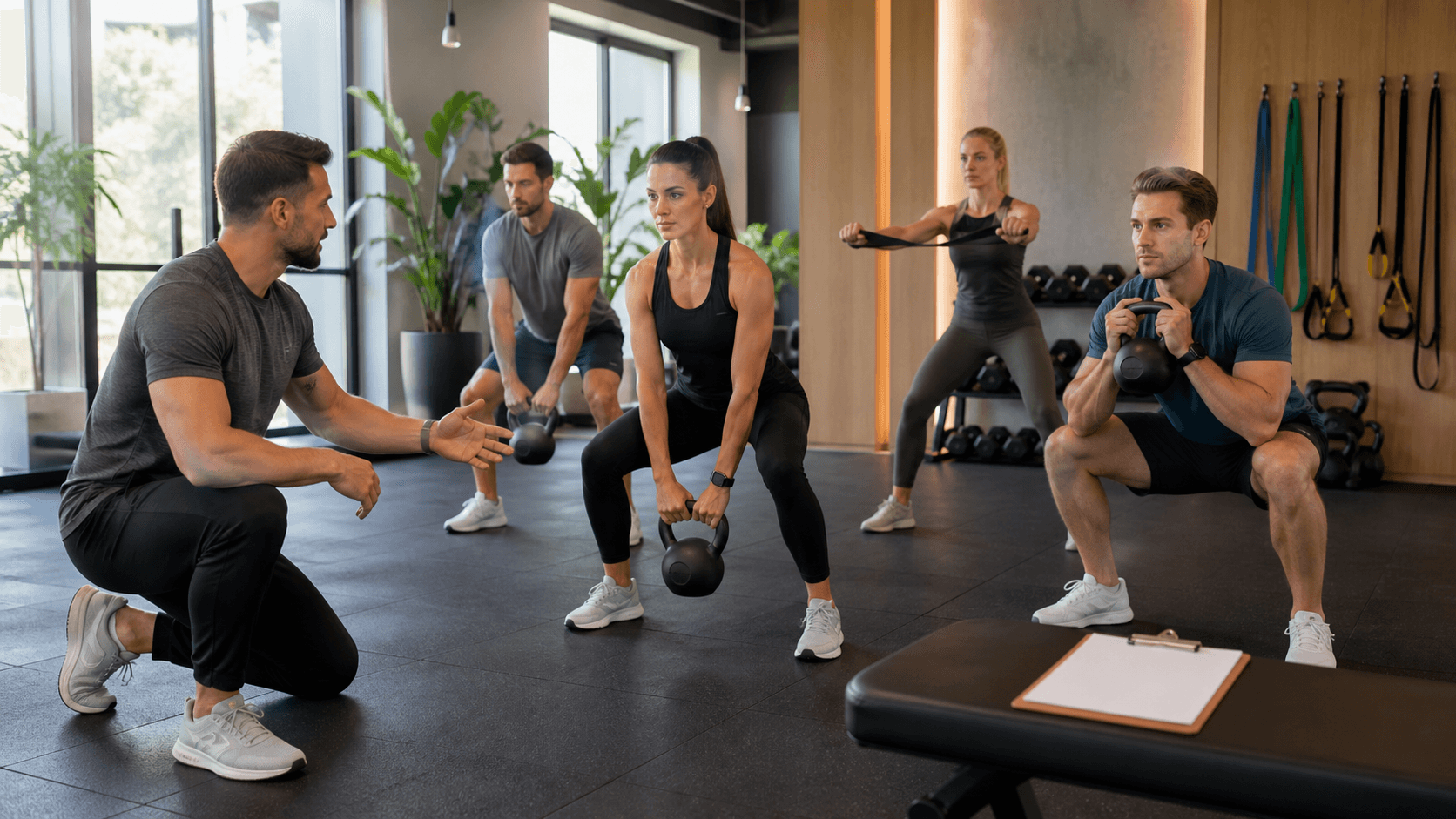
Coaching attention is non-negotiable. During a small-group session, notice if the coach:
- Moves around the room and checks on each person
- Gives clear cues to help your technique
- Offers easier or harder options without making a fuss
Safety should be built into the way the session runs, not added as an afterthought. When people of different levels train together, you want an atmosphere of respect. Signs of a good culture include:
- Mixed ages and abilities training side by side
- No ego lifting or shaming
- Encouragement between members, not competition that feels unhealthy
A friendly, down-to-earth community makes it far easier to keep turning up when the evenings are darker and the weather is not inviting. Especially in local areas like Chalfont St Giles, that sense of being known and welcomed can be the thing that keeps you consistent.
Trial Session Checklist: What to Look for on Day One
A trial session is your chance to see how everything fits in real life. Treat it like an interview from your side as well.
Before you go, it helps to ask:
- What is the focus of the session you will join?
- What should you bring and wear?
- How do they handle injuries or niggles?
- Do they do any assessment before or during your first session?
Clear, simple answers are a good sign of professionalism. On the day, use this quick mental checklist while you train:
- Did the coach learn and use your name?
- Did they ask about your training history or any pain points?
- Were exercises adjusted to your level, not forced?
- Did the session feel organised, with smooth transitions?
- Were you told why you were doing certain movements, not just told to copy?
Afterwards, notice how you feel. Ideally you are:
- Tired but not broken
- Clear on what might come next if you continue
- Comfortable asking questions
Compare how this fits with your goals, your budget and your weekly routine. If you leave feeling seen as an individual, even inside a group, that is a strong sign the programme is a good match.
Take the Next Confident Step Towards Stronger Living
Choosing a group personal training programme is about more than music and kit. You are looking for credible coaching, a class format that lines up with your aims, an environment where you feel safe and supported, and a trial session that shows real attention, not only a sales pitch.
Shortlist a few local options, book trial sessions and use the points in this guide to compare them side by side. A lifestyle-focused set-up like GDN Fitness, with an emphasis on performance, mobility and sustainable habits, can help you head into the colder months feeling stronger, more confident and part of a community that actually supports how you want to live.
Start Your Stronger Training Journey Today
If you are ready to train with expert guidance and the motivation of a supportive community, our group personal training sessions are the ideal next step. At GDN Fitness, we focus on helping you build lasting strength, confidence and healthy habits that fit your real life. Tell us a bit about your goals, schedule and experience level, and we will recommend the best option to get you moving. If you have questions or want to book a spot, simply contact us and we will help you get started.