Designing Group Fitness Training Around Your Lifestyle
Group fitness training should make your life easier, not harder. It should give you more energy for work, family, and fun, without taking over your calendar or leaving you worn out.
Early summer often brings a mix of excitement and pressure. There are holidays, weddings, barbecues, long evenings outside, and that feeling that you "should" get in shape fast. When real life hits, with work, kids, and travel, the all-or-nothing approach falls apart. In this article, we will walk through how to shape group fitness training around your actual life so you can stay consistent and feel good all year, not just for a few intense weeks.
Rethinking Group Fitness Training for Real People
Many people think group fitness training only works if you overhaul your entire routine. You might hear things like: you must train every day, do only brutal boot camp-style workouts, or stick to a strict plan no matter what comes up. That is not realistic for most people, and it often leads to quick burnout.
We see group training differently. It should support what matters most to you, like:
- Having steady energy for family time
- Staying focused and sharp at work
- Feeling confident on holiday and in social settings
- Being strong enough for hobbies like hiking, cycling, or gardening
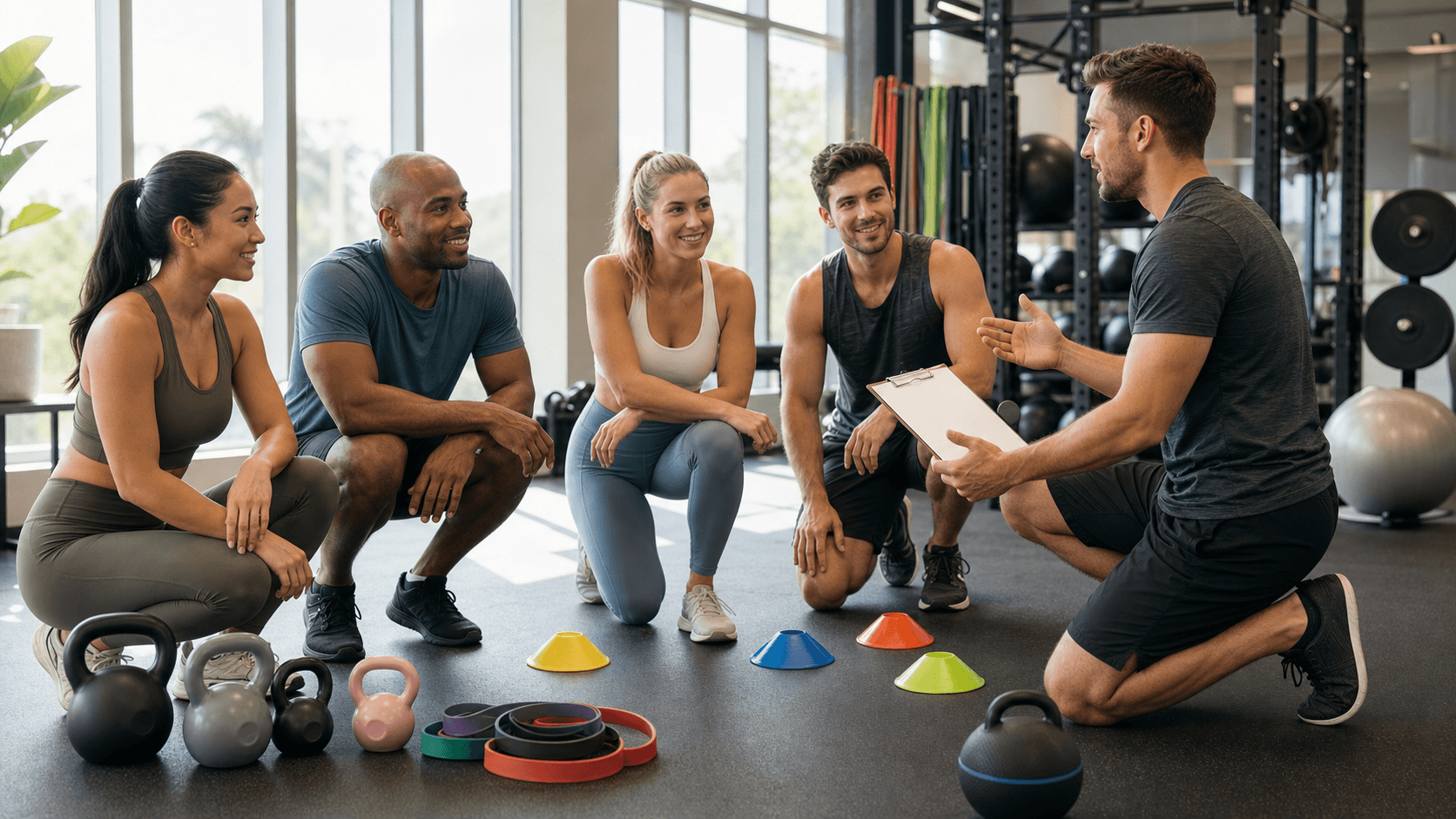
Small group formats tend to work far better than big, anonymous classes. In a smaller group, you get:
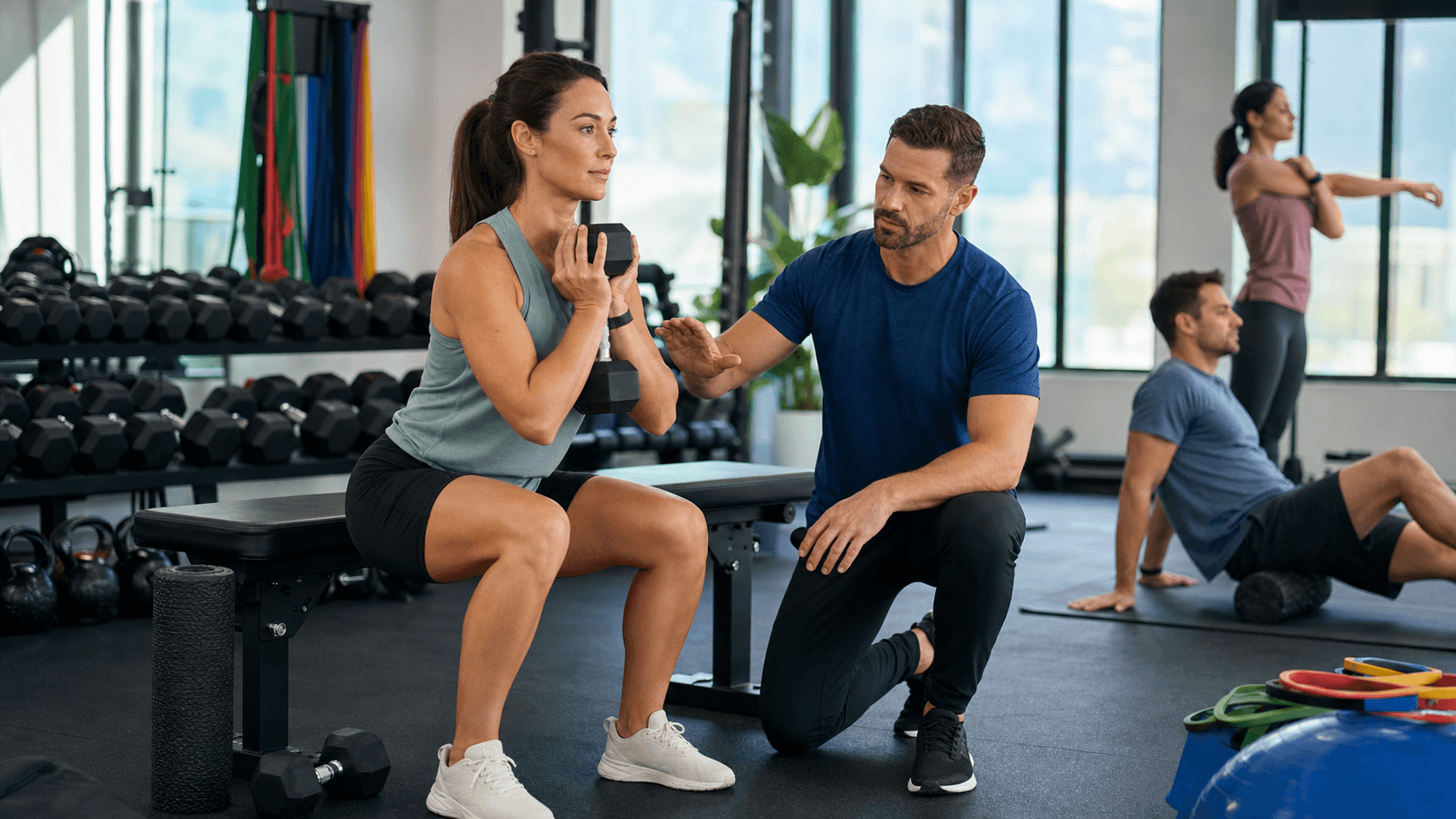
- More coaching attention on your technique
- Tailored progressions so you can move at your own pace
- A coach who actually knows your goals and limits
- Real community support instead of feeling lost in the crowd
Contract-free, pay-as-you-go, or block-session models also take away a lot of pressure. If you are tied into a long contract, missing a week can feel like failure. When you are not locked in, it is easier to adjust during busy periods and then build back up without guilt.
Mixed-ability groups can still be very effective. With smart programming, the same session can have regressions for beginners and progressions for more advanced clients. That way, everyone trains together, but the work fits each person's current level.
Building Your Training Around Work, Family, and Summer Plans
Early summer can be a messy time for routines. School events fill the calendar, evenings stay lighter, and weekends often get packed with trips or social plans. A rigid training schedule usually breaks the moment life changes even a little.
A better way is to flip the process. Instead of forcing your life to fit a plan, start with your real calendar:
- Mark work hours and commute times
- Add childcare, school runs, and family routines
- Note any travel, holidays, or big events
Then, look for realistic, repeatable slots for group fitness training. Maybe that is two early mornings when the house is quiet, a lunchtime strength session close to work, or an early evening small group that finishes in time for dinner.
Training "anchors" help a lot here. These are 2 or 3 specific sessions each week that are your non-negotiables. They might be:
- Monday and Thursday after school drop-off
- Tuesday and Friday before work
- Wednesday evening plus Saturday morning
Everything else in your week can move around, but those anchors stay. As seasons shift, you can plan short cycles. Use early summer to set a routine that works for lighter evenings and holiday plans, then re-check it when school starts again or work patterns change.
Matching Group Sessions to Your Goals and Energy
Not all group fitness training is the same. Understanding session types makes it easier to pick the right mix for your goals and your energy levels.
Common types include:
- Strength-focused sessions, lifting weights or using bodyweight to build muscle and protect joints
- Conditioning or cardio, where you move at a faster pace to improve fitness and stamina
- Mobility and recovery, focusing on stretching, joint control, and lighter movement
- Mixed sessions, blending strength, cardio, and mobility in one workout
You can use these to build a simple weekly template. For example:
- Fat loss and general health: 2 strength sessions plus 1 or 2 conditioning sessions
- Strength and muscle: 3 strength sessions plus 1 mobility-focused session
- Longevity and joint health: 2 strength sessions plus 2 mobility or low-impact conditioning sessions
Energy management is key. Not every workout should feel like a test. A good week might have one harder session, one or two moderate sessions, and one easier or mobility-based session. This kind of rhythm helps you stay consistent and recover well.
Life will not always line up perfectly. You might be sleep deprived, stressed from work, or just back from holiday. On those days, it is often better to choose a lower-impact or mobility-focused group session instead of skipping entirely. In a small group setting, a coach can adjust exercises, weights, and intensity on the day so the session matches how you actually feel.
Turning Group Training Into a Lifestyle You Enjoy
For group fitness training to last, it has to be something you enjoy, not something you dread. The social side makes a big difference. When you see the same faces regularly, it is easier to show up. You feel supported, you have people to laugh with between sets, and training becomes a normal part of your week.
Enjoyment also comes from variety and clear focus. You might:
- Rotate exercises every few weeks to keep things fresh
- Use blocks of training that build toward simple goals, like better push-ups or longer hikes
- Shift the focus with the seasons, for example more strength for summer adventures or more mobility for gardening and outdoor jobs
Simple habit strategies help group training fit into your life:
- Pair sessions with things you already do, like school drop-off or your usual commute
- Lay out clothes and pack your bag the night before
- Book your next session before you leave the gym so it is already in your calendar
Life will still interrupt sometimes. Travel, school breaks, and busy work projects will come up. In those times, think in terms of "minimum effective dose" weeks. That might mean keeping just 1 or 2 key sessions instead of your full plan. This way, you never fully stop, so you do not have to start from zero again.
At GDN Fitness in Chalfont St Giles, we structure our small group model around this lifestyle approach. Sessions focus on strength, conditioning, and mobility, and we design them so they can flex with different fitness levels and real schedules, without contracts or long-term memberships.
Start Shaping a Training Routine That Fits Your Life
Group fitness training works best when it feels like it belongs in your life, not on top of it. A good next step is to look at your calendar for the coming weeks and choose two training slots that feel realistic. Protect those first, then build around them.
When you are choosing a group program, it can help to look for:
- Small enough groups for real coaching attention
- Flexible booking, so you can adjust around busy weeks
- A mix of strength, conditioning, and mobility sessions
- A coach who asks about your life, not just your workout numbers
Your fitness should adapt to your life as work, family, and seasons change. With the right group training setup, you can keep making progress, feel stronger and more confident, and enjoy the process without burning out.
Start Achieving Your Fitness Goals With Expert Support
If you are ready to feel stronger, more energized, and supported, our group fitness training programs are built to help you get there. At GDN Fitness, we create structured, coach-led sessions so you always know exactly what to do and how to do it safely. Take the next step toward your goals by reaching out so we can recommend the best program for you, and if you have questions, just contact us today.