Rethinking HIIT Before Autumn Fitness Kicks Off
HIIT personal training is everywhere right now. As routines settle again, kids go back to school, and work gets busy, many people look for something quick and hard to get them back on track. Fast classes, loud music, and promises of results in a few weeks can sound very tempting.
The problem is that HIIT has turned into a buzzword. Social media clips and big studio trends make it look like you just need to sweat buckets and crawl out of the gym to make progress. That leads to one-size-fits-all sessions that ignore your body, your stress levels and your actual goals.
We take a different approach. At GDN Fitness, we focus on calm, private, strength-led training in small groups, guided by UKSCA-led coaching. HIIT is something we use, but we use it carefully, not as the whole plan or as a marketing trick. In this article, we will look at what HIIT really is, the common myths around HIIT personal training at small gyms, and how to choose a style of training that actually works for you this autumn, and beyond.
What HIIT Really Is and What It Is Not
Real HIIT is very simple, but it is not easy. It means short bursts of near-maximal effort, followed by planned rest, for a set number of rounds. Most proper HIIT work lasts around 10 to 30 minutes in total. The focus is intensity and quality, not just doing as much as possible for as long as possible.
What HIIT is not:
- A random 60-minute class where you try every bit of kit in the room
- A circuit where no one talks about work and rest times
- A daily way of training for everyone, no matter their background
- A badge of honour for who looks the most exhausted at the end
Many small gyms label anything fast and sweaty as HIIT personal training. The music is loud, the timer is running, and everyone is moving, but the key details are missing. True HIIT needs:
- Clear work intervals that push you close to your limit
- Planned recovery so your heart rate can drop a little
- Progression across weeks, not just random sessions
- Movements you can perform with good form at speed
When those pieces are in place, HIIT can bring real benefits. It can help improve heart and lung fitness in less time. It can support metabolic health and give a strong training effect when you are short on time. But those benefits only show up if the sessions are designed around you, not just copied from a social media post or rushed together before class.
Myth Busting HIIT Personal Training at Small Gyms
Myth 1: HIIT is the fastest way to lose weight
Weight loss is mainly about your overall energy balance. A couple of hard HIIT sessions a week can support that, but they are just one part of the picture. What you eat, how much you move during the day and how often you train all have a bigger effect. Many people push harder in HIIT, then move less later because they feel wiped out, which can cancel out the extra effort.
Myth 2: Everyone should be doing HIIT
HIIT personal training is not right for every body or every season of life. It may not suit:
- Complete beginners who have not built basic strength or movement skills
- People with high stress and poor sleep who already feel drained
- Those with joint pain who struggle with jumping or fast changes of direction
- Some people with heart or hormonal issues who need closer control of intensity
For many, a steady build of strength and conditioning, with lower impact cardio, is a safer and more effective starting point. HIIT can then be added later, in small doses, if it fits the person.
Myth 3: More sessions mean faster results
HIIT is demanding on the body and the nervous system. Stacking back-to-back HIIT personal training sessions, especially as evenings get darker and energy dips, can lead to:
- Soreness that never quite goes away
- Dropping performance, even though you feel you are trying harder
- Poor sleep and low mood
- Higher risk of picking up little injuries
More intensity without enough recovery usually leads to burnout, not better progress.
When HIIT Helps and When It Holds You Back
HIIT can be a great tool when it supports, not replaces, strength-focused training. Some smart ways to fit it in are:
- A short conditioning finisher at the end of a lifting session
- One stand-alone session in a week where life is busy
- A short block in the year, then back to more balanced work
Strength and conditioning that you can keep doing all year often looks a bit less dramatic from the outside. It includes:
- Regular strength work with good technique
- Low to moderate intensity cardio like walking or cycling
- Mobility and core work
- Enough rest and sleep to adapt
This kind of plan respects recovery, immune health and energy, which matters even more as the weather gets colder and bugs start going around. Constant beasting, with no thought for how you feel outside the gym, often leads to poor sleep, low motivation and that run-down feeling that hangs around.
A realistic weekly mix might look like:
- Two strength-based sessions, each with a short conditioning piece if suitable
- One longer, gentle cardio session, like a brisk walk or cycle
- Optional one short HIIT session for those who tolerate it well
- At least two true rest or light activity days
This is the kind of structure we aim for, adjusting the details to real life, not fantasy routines.
How GDN Fitness Uses HIIT the Smart Way
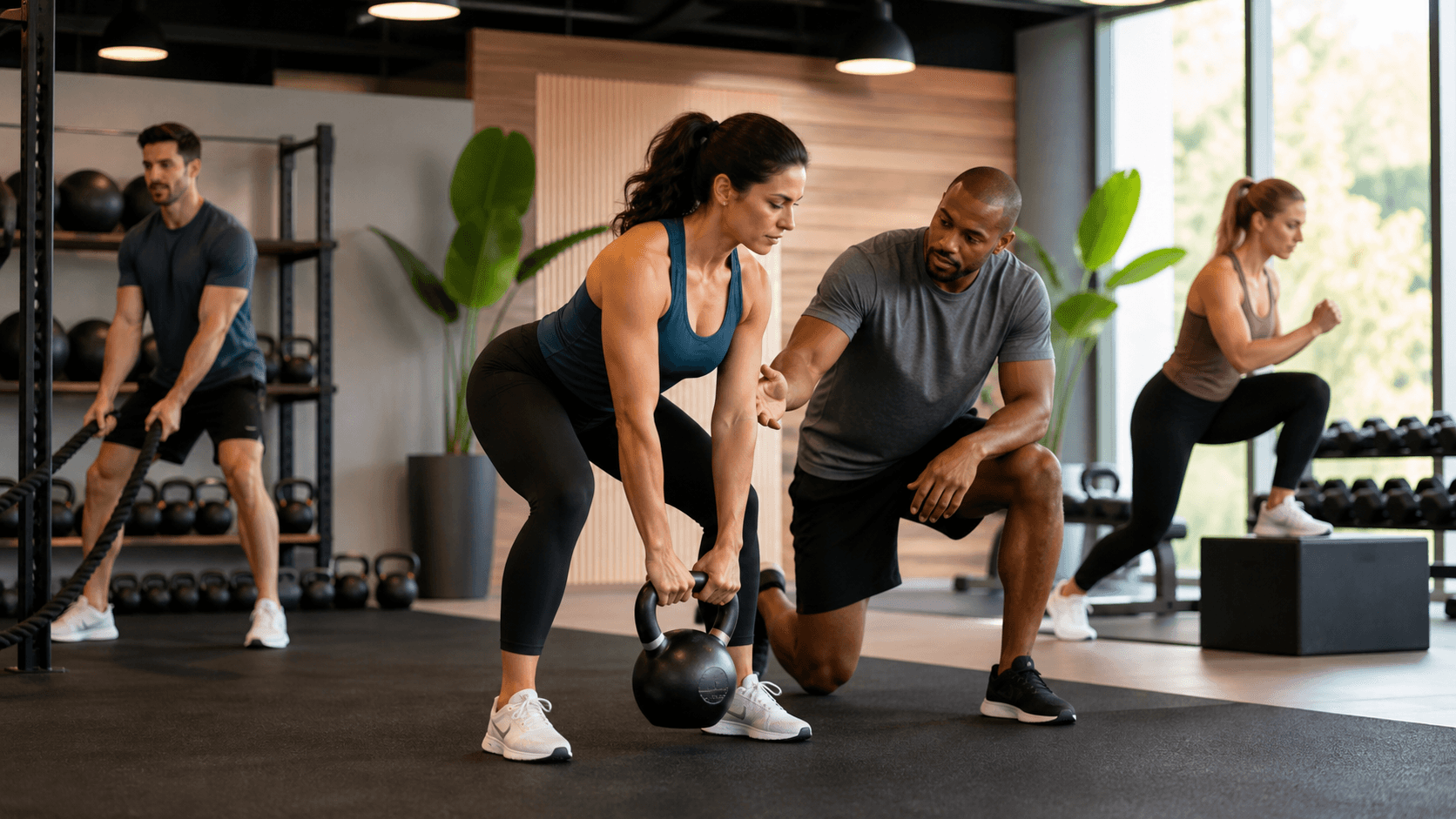
At GDN Fitness in Chalfont St Giles, we start with the person, not the method. Our UKSCA-led coaches look at:
- Your movement quality and joint health
- Your training history and injury history
- Your work and family stress, and how much you sleep
- Your goals for the next few months and the longer term
Only then do we decide if HIIT has a place in your programme, and if so, how often and in what form.
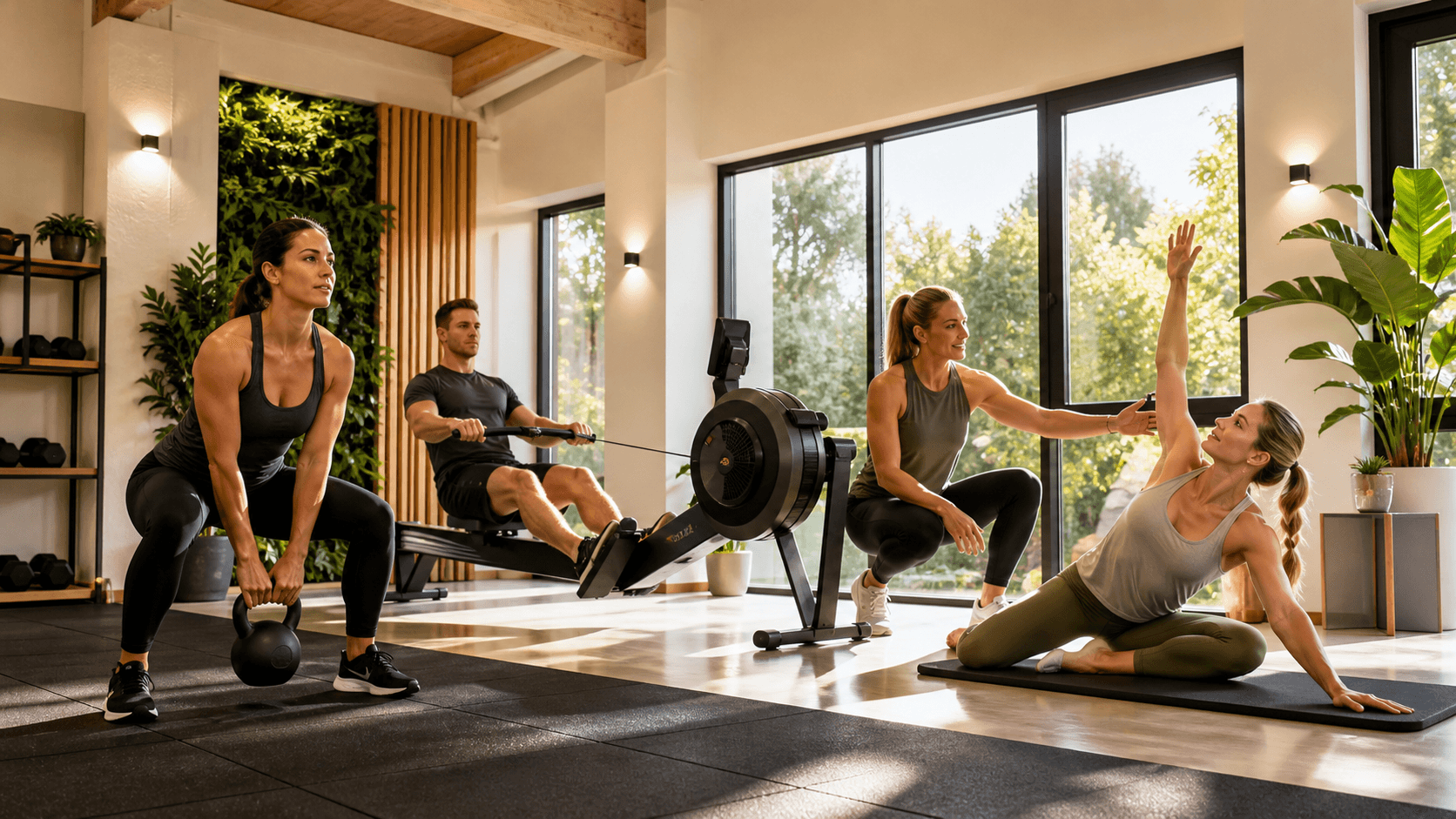
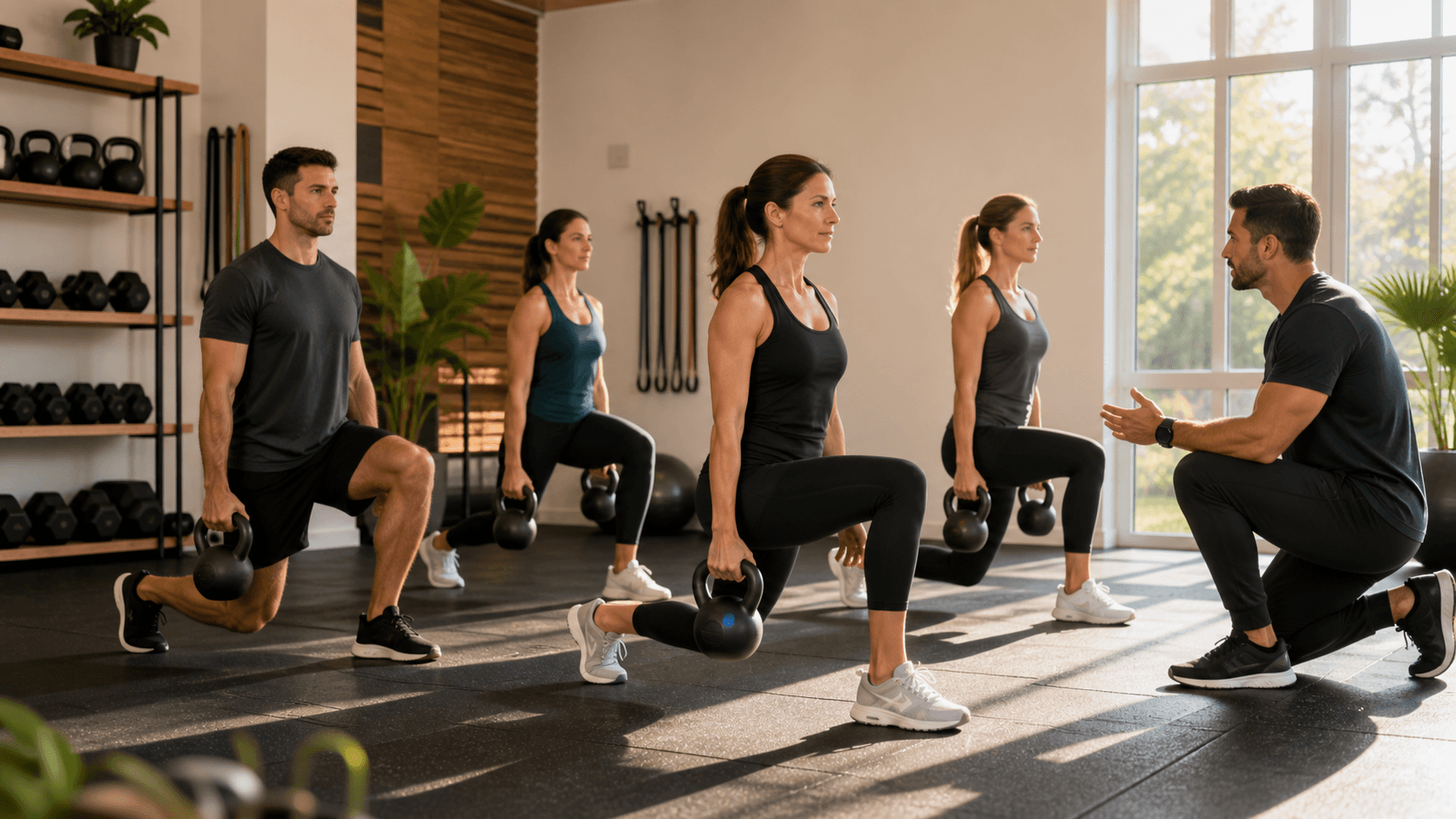
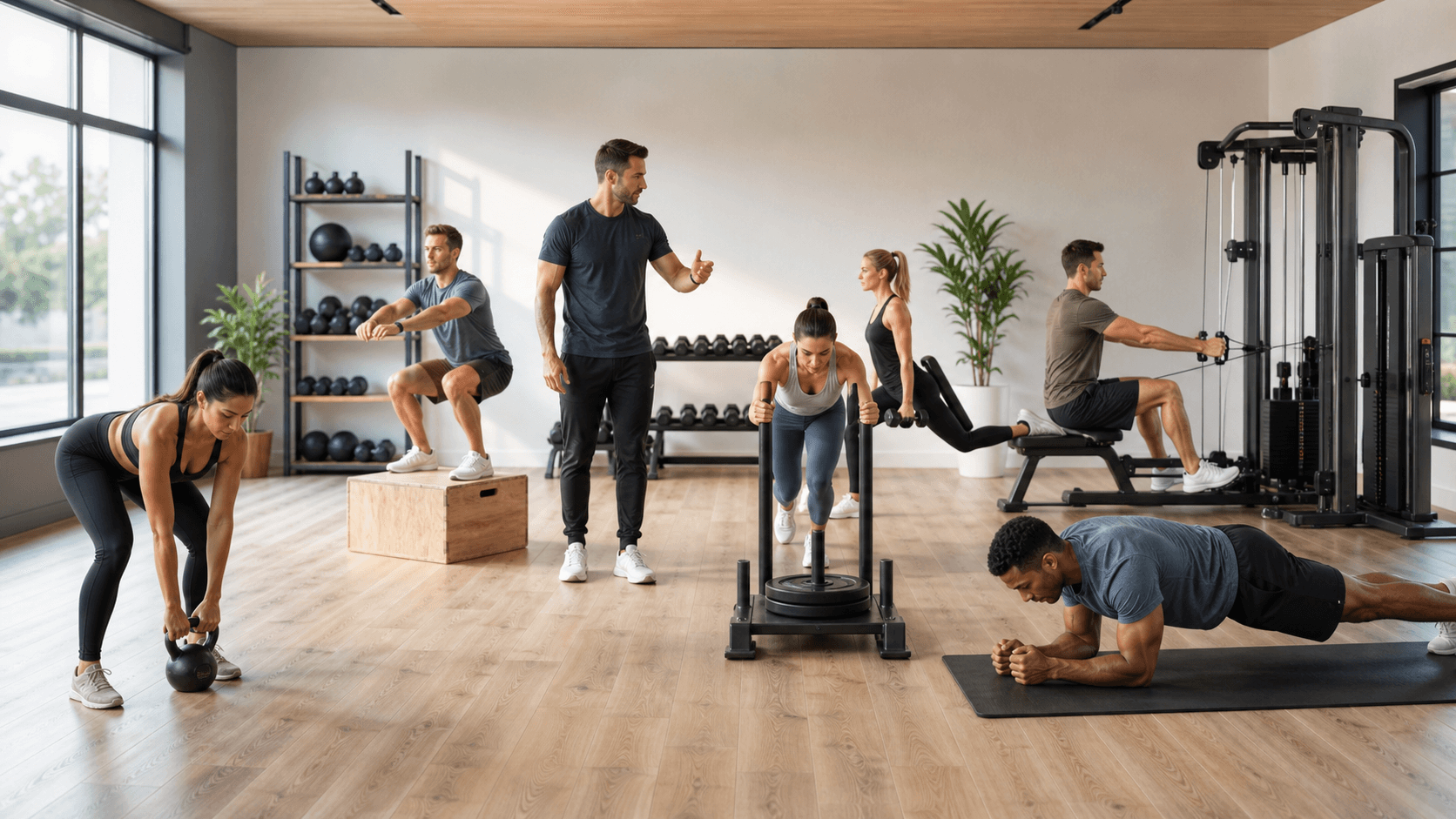
In our small group PT sessions, a thoughtful HIIT block might include:
- Simple, joint-friendly exercises that you can repeat safely at speed
- Work intervals tailored to your level, not the person next to you
- Clear rest periods, so the session stays true to HIIT, not a long slog
- Tracking of rounds, effort and how you feel across the weeks
The environment is private and relaxed. There is no pressure to keep up with anyone else, no shouting to go harder just for the sake of it. Technique comes first, intensity comes second. There are no joining fees, contracts or membership costs, so the focus stays on what you need, not on locking you into a plan that does not suit you.
Choose Smarter Training This September, Not Just Harder
As your routine settles this autumn, it is worth asking a few simple questions about your training. Are you chasing exhaustion, or are you building strength, resilience and confidence that will last into winter? Are your sessions planned, or are they just random hard work that leaves you guessing?
HIIT personal training can be part of a smart plan, but it should not be the whole plan. If you are local to Chalfont St Giles or nearby areas and want a calmer, more thoughtful way to train, small group PT or one-to-one coaching can help you find that balance. A strength-led, lifestyle-focused approach is more likely to still be working for you by Christmas and beyond, even when life is full and the days are short.
Start Your HIIT Journey For Stronger, Fitter Results
If you are ready to train with focus and structure, our HIIT personal training programmes are designed to help you progress safely and effectively. At GDN Fitness, we tailor every session around your goals, fitness level and schedule so you can make real changes that last. Tell us what you want to achieve and we will map out the next steps together, or contact us to ask any questions before you get started.