Why Group Fitness Training Can Work for Quiet Types
Group fitness training often gets linked with loud music, big crowds and lots of shouting. If you are more of a quiet, thoughtful person, that can sound like your worst nightmare. You might picture bright lights, packed rooms and a trainer yelling across the space, and decide it is not for you.
As routines settle after summer and life feels a bit more structured again, many introverts start thinking about their health. You might feel ready for a reset, but also want something that fits your personality. A more social training option can sound helpful for motivation, but also a bit scary.
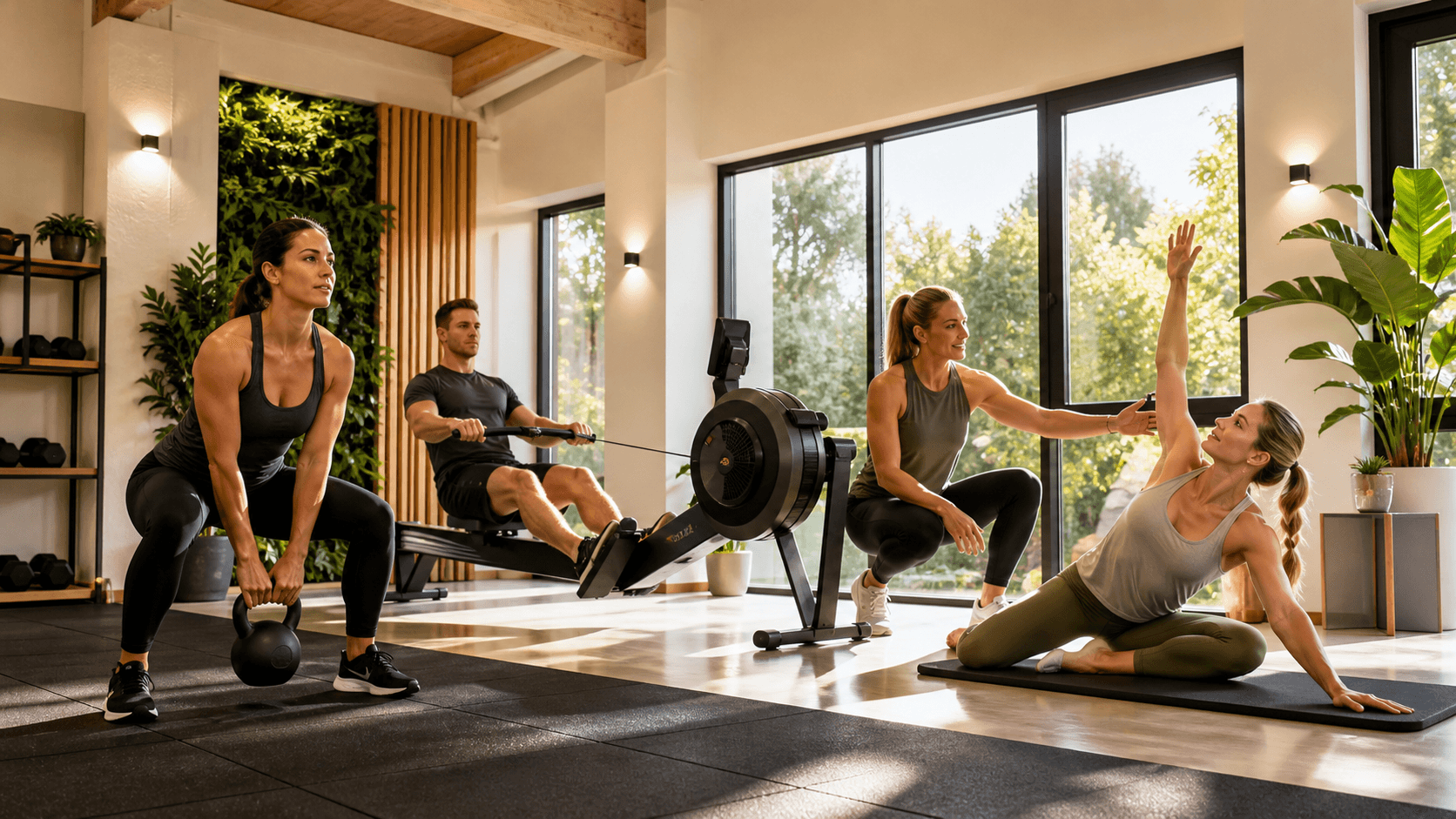
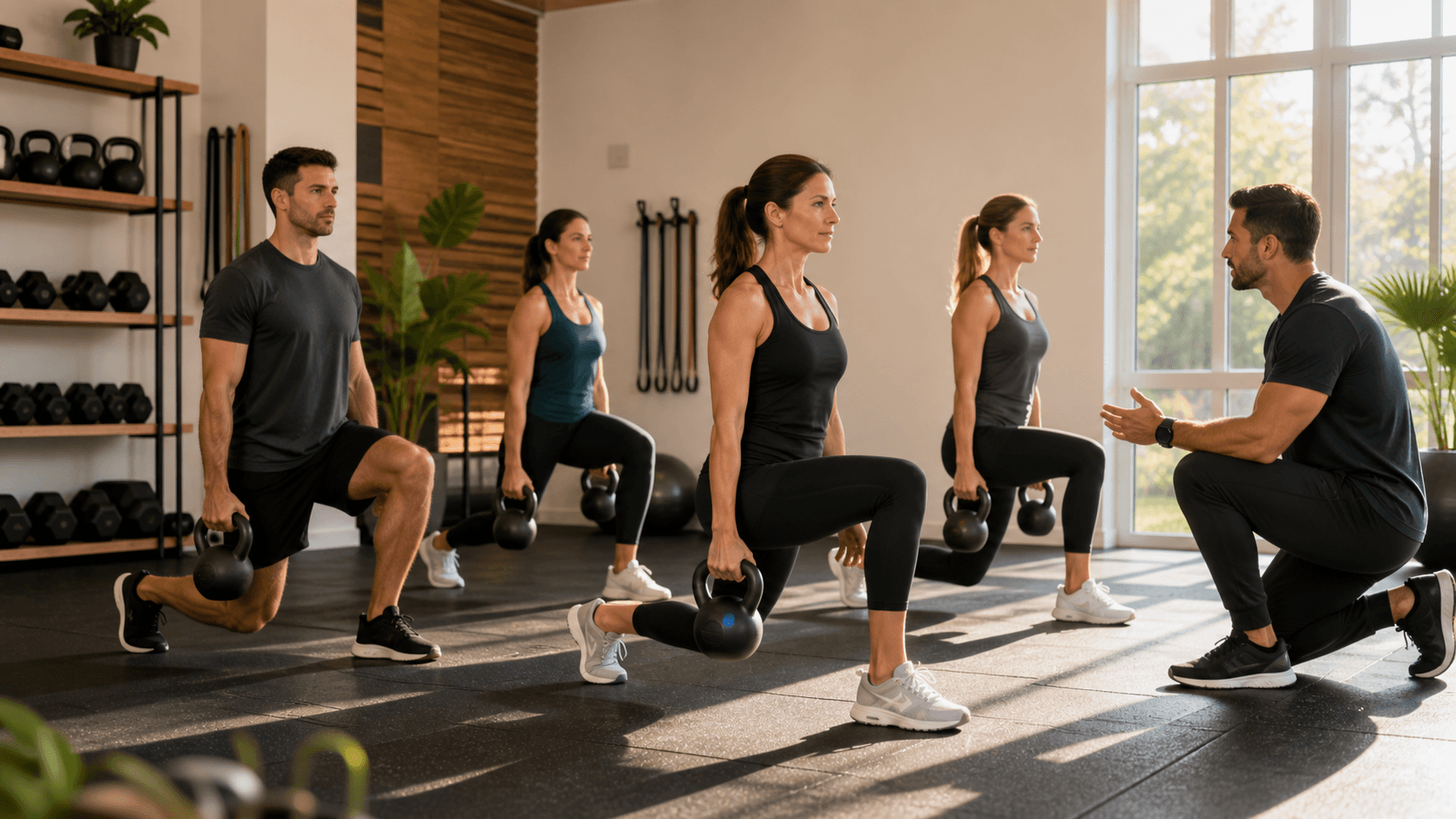
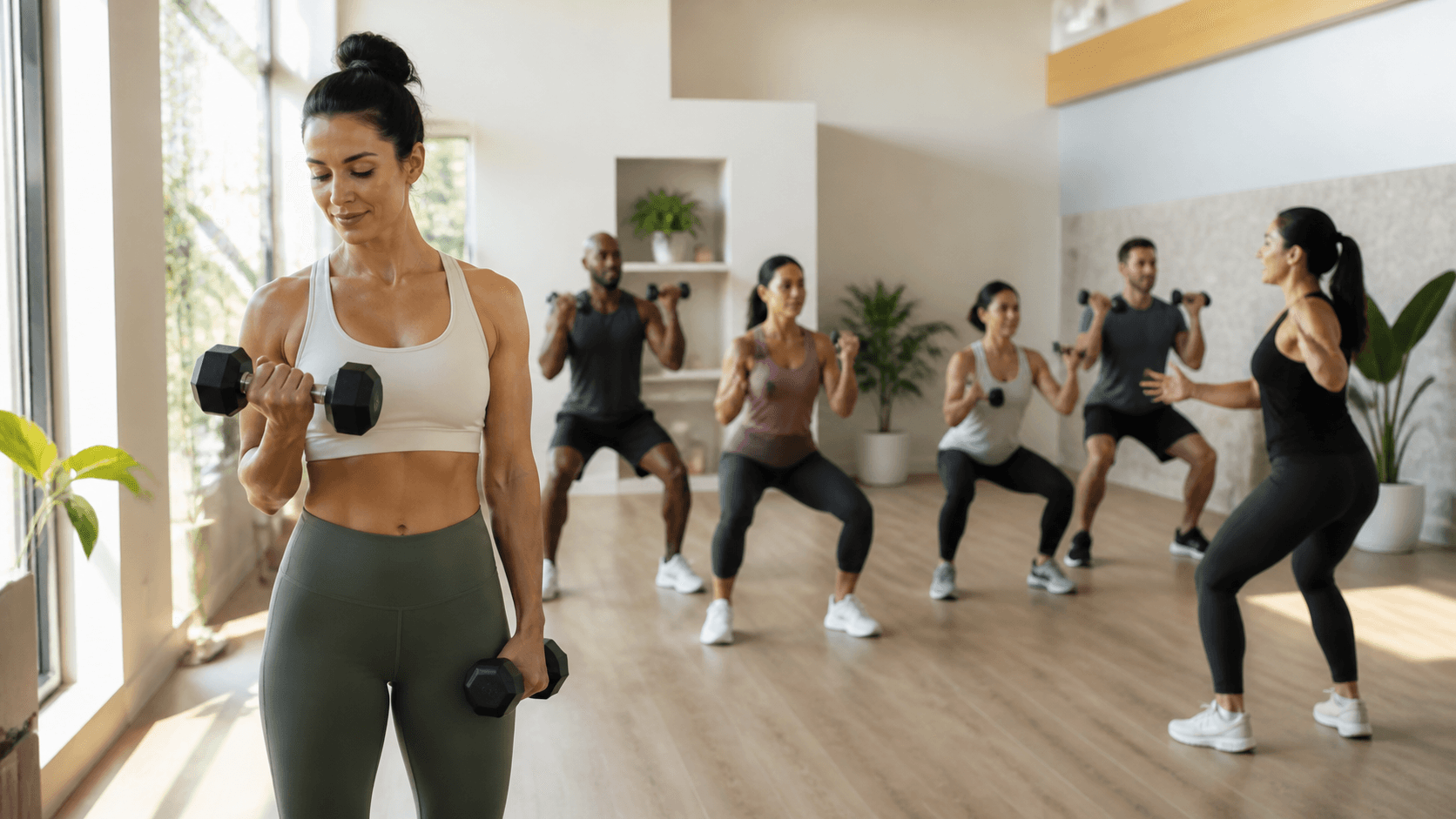
At our studio, we work in a different way. We offer small-group personal training in a private, calm setting, with clear structure and lots of support. Here, we want to explore whether group fitness training can feel comfortable for introverts, and how you can decide if it suits you.
Understanding Introversion in a Fitness Setting
Introversion is not the same as being shy or socially awkward. Introverts often enjoy people; they just tend to prefer:
- Smaller groups over big crowds
- Quieter spaces over busy, noisy rooms
- Time to think before they act or speak
In a typical gym setting, that can be hard to find. Common worries for introverts include:
- Too much noise from music and equipment
- Feeling like everyone is watching or judging
- Pressure to perform in front of a crowd
- Fear of being dragged into partner drills or big group games
These worries are very normal. They do not mean you are weak or not cut out for training. They simply show that the environment does not match how your brain and energy work.
The good news is that the right set-up can lower those feelings a lot. When sessions have smaller numbers, you are less likely to feel exposed. A calm coaching style helps you relax. If other members are respectful and focused, it is easier to stay in your own lane and work on your own progress. When you do not feel that you have to keep up with anyone else, you can actually enjoy training and learn solid technique.
The Hidden Upsides of Group Training for Introverts
Many introverts think that one-to-one sessions are their only safe option. While one-to-one can be great, a well-designed group can actually feel less intense.
The focus is shared, so you are not always in the spotlight. If you do not love constant eye contact or talking, that can be a relief.
Structured group fitness training helps quiet types in a few key ways:
- Clear plans, so you know what is coming next
- Predictable session flow, which keeps nerves down
- Expert guidance, so you are not overthinking every decision
When you do not have to plan your own workout or guess what to do, there is less mental noise. You can just turn up, follow the plan and give your best effort that day.
There are also gentle social benefits that suit introverts:
- A sense of belonging without pressure to be loud or funny
- Short, natural chats before or after sets instead of forced icebreakers
- The lift you get from seeing other people try hard beside you
You may not want big group hugs or high-fives, and that is fine. Just being in a room where people care about their health, and are kind to each other, can be enough to keep you going when your own motivation dips.
What Makes a Group Session Introvert-Friendly
Not all group fitness training is the same. The details matter a lot when you are quieter by nature.
Group size is a big one. Small-group PT usually feels safer than large classes. With fewer people:
- The coach can give more individual attention
- The room feels calmer and less chaotic
- It is easier to find a space where you feel comfortable
Atmosphere and coaching style are just as important. An introvert-friendly space tends to have:
- Calm, clear coaching, not shouting across the room
- A focus on technique, strength and lifestyle, rather than hype
- Encouragement without pushy competition
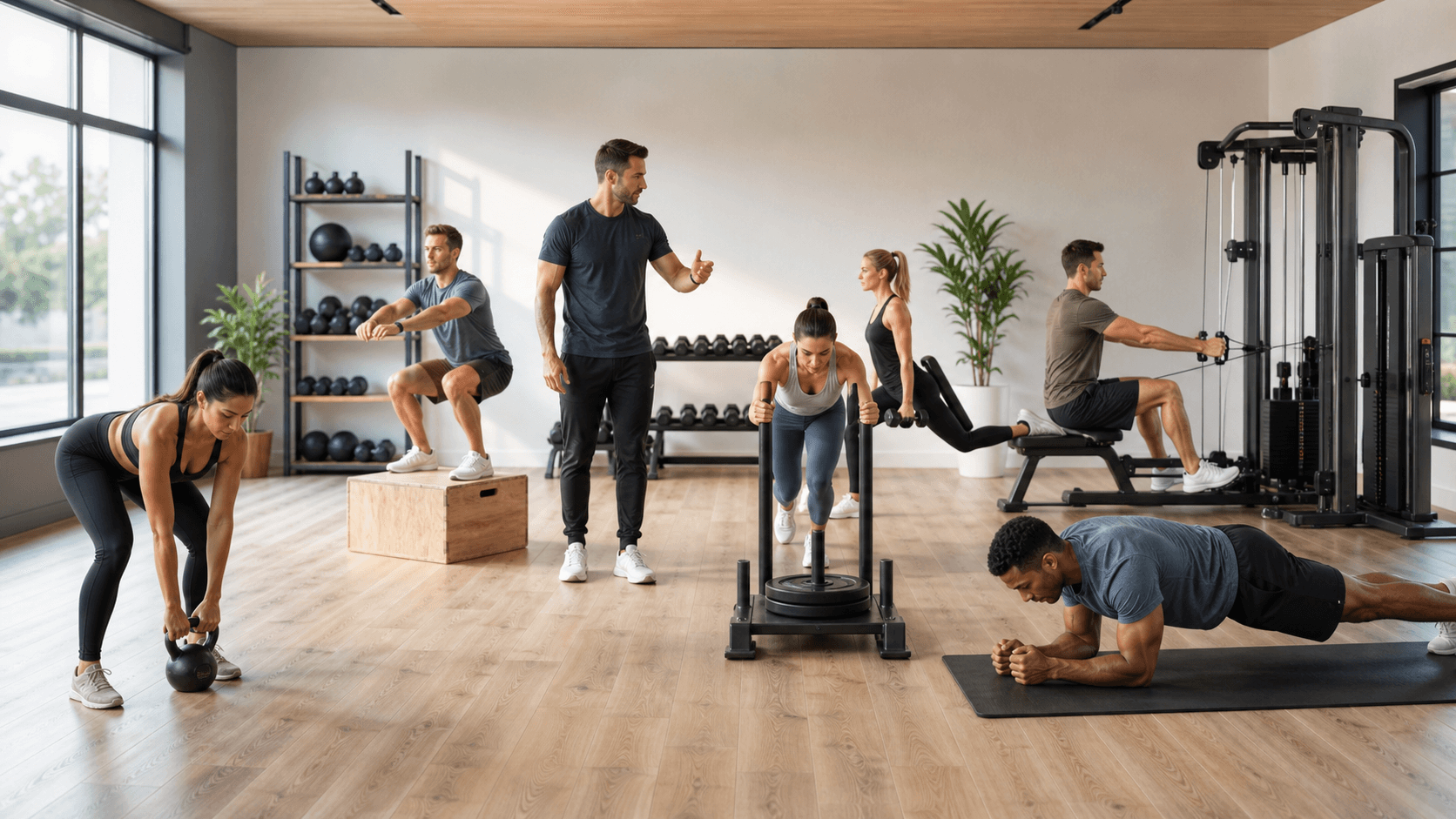
Structure and privacy also play a role. In a private studio with pre-planned sessions, you often have your own station and equipment. You can stay in your own little bubble within the group, especially when you are new. Being able to work at your own pace, without people crowding you, makes it much easier to settle in.
This is the kind of environment we aim to create in our studio in Chalfont St Giles. Sessions are planned in advance, numbers are kept small, and the coaching is focused and supportive rather than loud and showy.
How to Decide If Group Fitness Training Suits You
To work out if group training is a good fit, it helps to check in with yourself. Ask:
- How do I usually feel after social situations, drained or slightly lifted?
- Do I like clear structure and guidance, or do I enjoy planning my own workouts?
- Would gentle accountability from others feel supportive or stressful?
If you like the idea of having a plan made for you, and you enjoy being around people as long as the space is calm, group fitness training might suit you more than you think.
You can also take some practical steps:
- Visit a studio at a quieter time and get a feel for the space
- Watch a small-group session from the side if possible
- Speak with a coach about any worries you have
- Ask how they support people who are more reserved
Easing in slowly can help a lot. You might start with one or two weekly sessions at off-peak times. You can decide in advance how much you want to chat and how much you prefer to keep your head down and focus. There is no rule that says you must be the most energetic person in the room to benefit.
Your Next Step Towards Confident Group Training
If you see yourself as an introvert, it can be easy to write off group fitness training and stick to solo workouts. But the right space can feel calm, respectful and actually very enjoyable. You do not have to change your personality; you just need a set-up that understands it.
At GDN Fitness, we bring together UKSCA-qualified coaching, a lifestyle-focused approach and small-group PT designed for different personality types, not just loud, extroverted ones. Our aim is to help you feel confident, supported and in control of your training, so you can make progress on your terms and at your own pace.
Start Your Stronger, Fitter Routine With Expert Support
If you are ready to train smarter and stay motivated, our structured group fitness training is designed to help you build strength, confidence and consistency. At GDN Fitness we keep class sizes focused, so you get personal guidance while enjoying the energy of a supportive community. Tell us about your goals and we will recommend the sessions that fit your schedule and current level. If you have questions or need help getting started, simply contact us.