Start Every Session with a Clear Training Purpose
When people book group fitness sessions, one question comes up a lot: should I focus on energy work or strength work first? Getting this order right can change how you feel in the session and how your body changes over time. It affects your performance, how quickly you tire, your risk of niggles, and whether you leave feeling good or wiped out.
By energy work, we mean anything that pushes your heart rate: cardio, conditioning, circuits, high-intensity intervals, machines or bodyweight drills. Strength work is different: resistance training with weights or bands, slower tempo, heavier lifting and controlled movements.
The order matters because your body only has so much focus and fuel at once. If you spend it all in the first part of the session, what comes after will be lower quality. In the darker, cooler months around Chalfont St Giles, when energy and time can feel tighter, training smart instead of just training more becomes even more important.
At GDN Fitness, we build small-group sessions around lifestyle goals, not fitness fads. When you understand how to organise energy and strength, you can pick group fitness sessions that match what you actually want from your training, instead of just guessing from the name on the timetable.
How Your Goals Decide Energy or Strength First
Your main goal is the first thing to think about. Different goals need a different starting point.
Common goals include:
- Fat loss and changing body shape
- Building muscle and strength
- Improving performance for running, cycling or sport
- General health, confidence and long-term fitness
Strength work usually belongs at the start when your aim is to:
- Build muscle and increase strength
- Improve posture and support your back, shoulders and hips
- Protect joints with better control and stability
- Learn new lifts where you need full focus and calm breathing
You want your brain sharp and your muscles fresh when you do heavier lifts. If you are already tired from hard cardio, technique often slips and you end up doing less useful work with more risk of tweaks.
Energy work first can make sense when:
- You are training for endurance events like longer runs or bike rides
- Your main focus is heart and lung fitness
- Your time is limited and you want a fast conditioning hit
- You need to warm up your body and mind before lighter strength or skill work
Most people who join group fitness sessions have mixed goals. They want to feel fitter, look more toned, move better and keep up with daily life. In this case, it often works better to rotate focus across the week instead of trying to cram everything into one class.
For example:
- Two days where strength is the main focus and comes first
- One day where conditioning is the priority and comes first
At GDN Fitness we always ask about your primary goal. Even in a small group following the same overall plan, our coaches can change the emphasis a little for each person with tweaks to load, tempo, work time and rest.
The Science of Fatigue and Performance in Group Sessions
When you do hard cardio first, your body burns through stored energy quickly. Your heart rate climbs, breathing speeds up and your muscles start to feel heavy. If you then move straight into heavy squats, presses or pulls, you often get:
- Fewer quality reps
- Wobbly control on the way down
- Lazy core and weaker posture
This is where fatigue can lead to technique breaking down. In a busy group setting, it is easy to start chasing the clock or the person next to you, instead of paying attention to how you are moving. Starting with strength helps you keep joints lined up and use the right muscles.
There is also something called neuromuscular fatigue. In simple terms, your nervous system gets tired, not just your muscles. When this happens, explosive lifts, balance and core stability all suffer. You might feel a little clumsy or slow to react, which is not what you want when you are lifting.
Sequencing changes results over time:
- Strength-first sessions help you build more lean muscle and long-term capacity, which supports a higher metabolism
- Energy-first sessions can feel more sweaty and satisfying in the moment, but if you rely on them all the time, strength progress can stall
Our focus at GDN Fitness is lifestyle, not quick fixes. Through autumn and beyond, we plan training blocks so you build strength and fitness steadily. That way you can enjoy busy social periods feeling stronger and more resilient, not drained.
Designing Autumn Group Fitness Sessions That Actually Fit Life
As the weather turns cooler and evenings get darker, routines often change. There can be more pressure at work, school terms, and more social plans. Training needs to fit around life, not fight it.
A simple way to balance strength and energy is to match session focus to your week:
- Days with more time and good sleep: strength-first small-group training
- Busier days: shorter conditioning-first group fitness sessions
- Weekends: a mixed approach with moderate strength and moderate conditioning
Here is one example layout:
- Monday: Strength-first small-group, think compound lifts like squats, deadlifts or presses, followed by a short finisher
- Wednesday: Energy-first conditioning using intervals and circuits, then lighter strength or coordination work
- Friday or Saturday: Mixed session with moderate strength then moderate conditioning, keeping something in the tank for the weekend
With no joining fees or contracts at GDN Fitness, it is easier to flex your training around school holidays and changing schedules. The key is consistency across the month, not perfection in any single week.
Recovery also matters. In autumn, it can be a great time to:
- Improve sleep routines
- Add short walks in daylight when you can
- Do simple mobility work for hips, shoulders and spine
When you recover well, the mix of energy and strength feels challenging but manageable, instead of exhausting.
How GDN Fitness Structures Smarter Small-Group Workouts
A typical small-group session with us has a clear flow so you never have to guess what comes next.
It usually looks like this:
- Warm-up and movement prep, focused on joints and muscles you will use most
- Main block, either strength or energy, depending on the day's focus
- Accessory work or a conditioning finisher, to round out the session
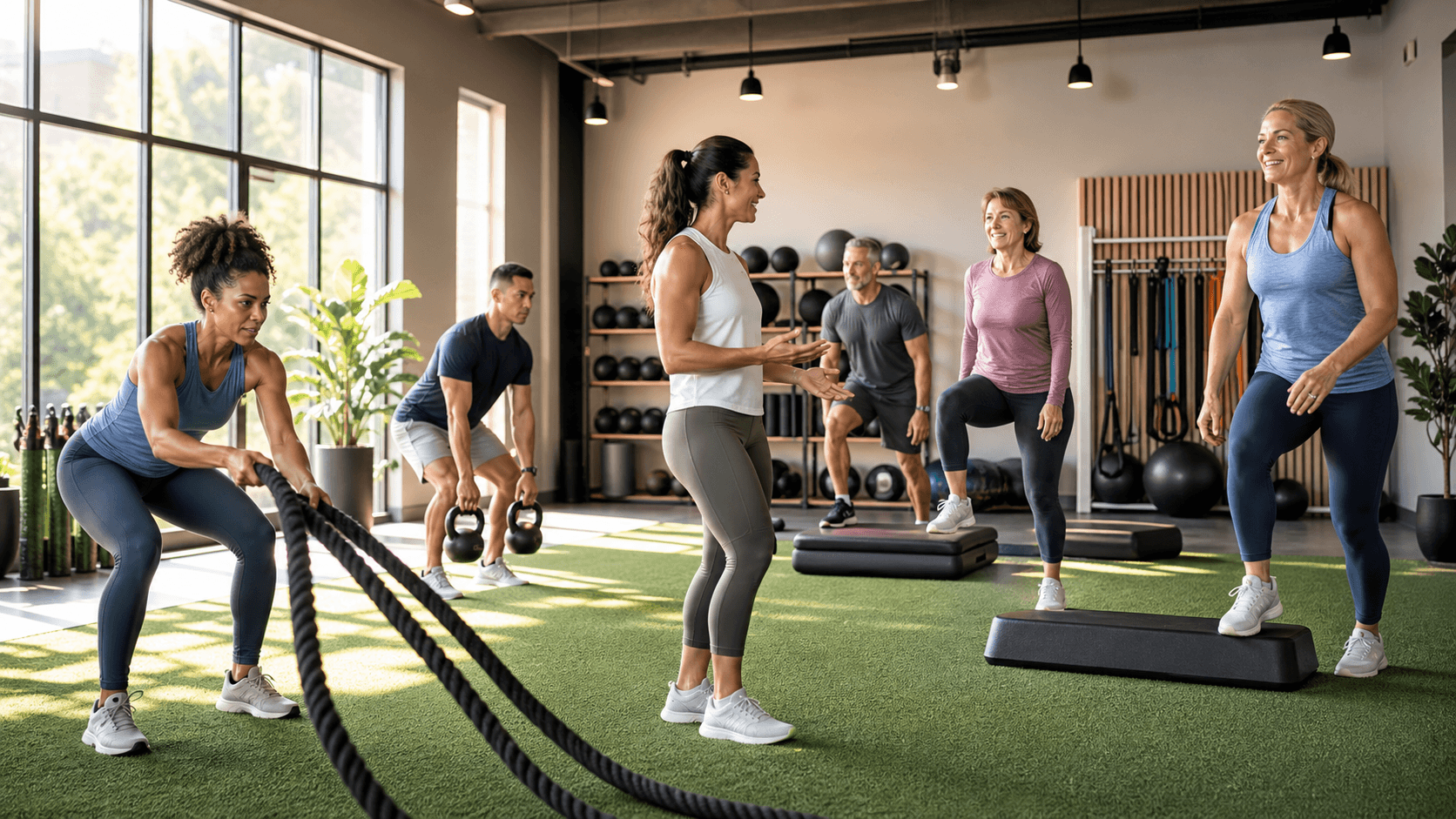
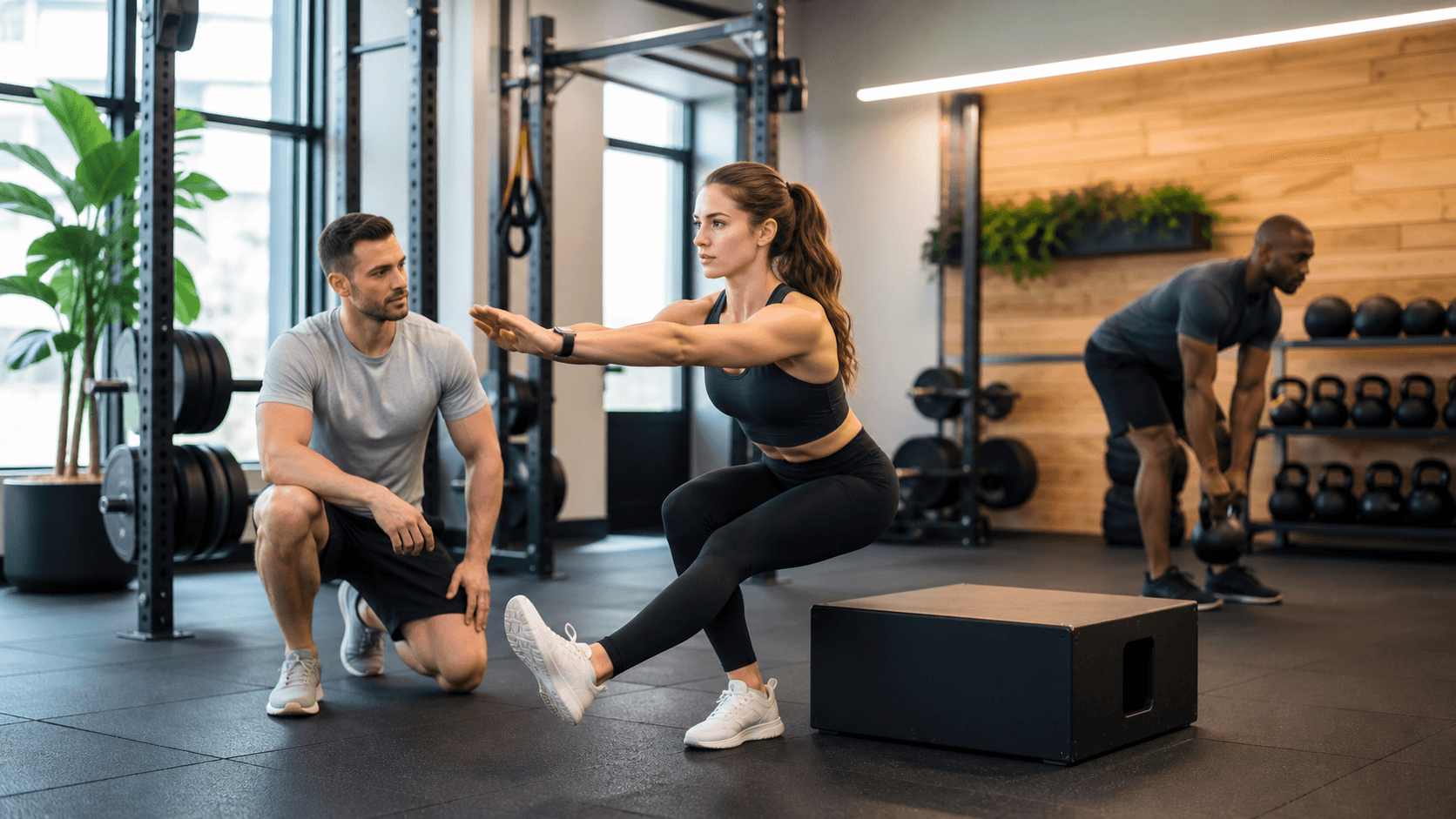
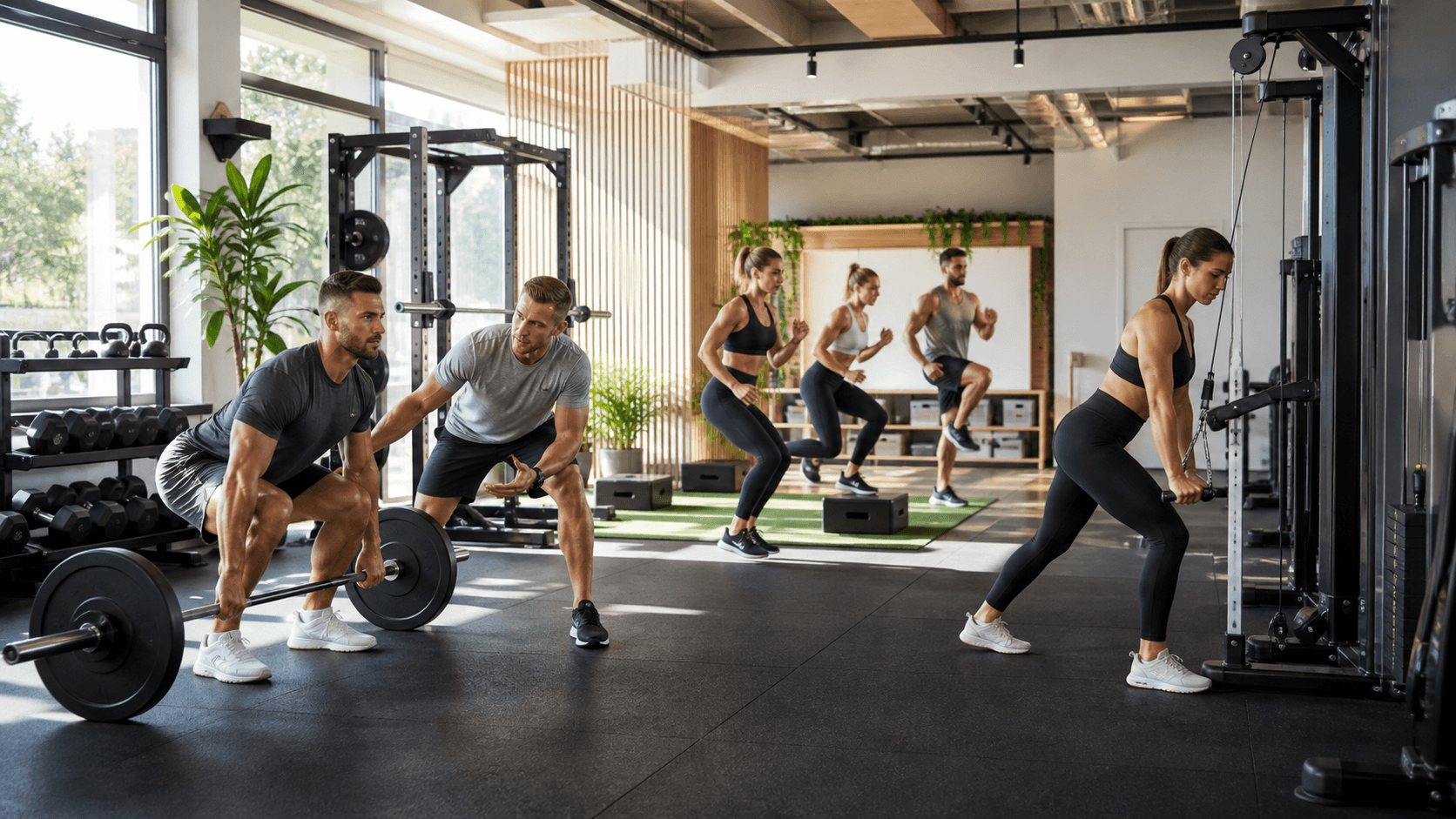
Because groups are deliberately kept small, coaches can keep an eye on technique, adjust weights and tweak exercises. Two people in the same class might both be squatting, for example, but the depth, tempo or load can be different to match their needs.
On a strength-first day, you might see:
- Squats or deadlifts
- Presses and rows
- Then a short, punchy cardio finisher using sleds, bikes or bodyweight
On an energy-first day, you might see:
- Sled pushes
- SkiErg or bike intervals
- Battle ropes
- Then core and mobility work to finish calmer and more stable
This structure means group fitness sessions can still feel personal. The goal is always long-term progress that fits your lifestyle, not just chasing intensity for the sake of it.
Choose Your Next Session with Confidence
To make the most of your training, it helps to pick a clear focus for the next six to eight weeks. Ask yourself: do I want to get stronger, build fitness, or balance both as my routine settles in?
Simple rules of thumb:
- If strength and muscle tone are your priority, book more strength-first group fitness sessions
- If you are training for a run or want a big fitness boost, include at least one energy-first session each week
- If your motivation feels low in darker months, choose the format you are most likely to stick with consistently
If you live near Chalfont St Giles and want support with this, GDN Fitness offers tailored small-group training that takes care of the planning for you. For now, choose your sessions for the week ahead, make sure you have at least one strength-first day and one energy-first day, and pay attention to how your body responds. Over time, that feedback will guide the balance that works best for you.
Join A Supportive Community And Feel Stronger Faster
Discover how training alongside others can keep you consistent, motivated and accountable with our tailored group fitness sessions. At GDN Fitness, we structure every workout so you can train at your own level while still feeling part of the team. If you are ready to take the next step, simply contact us and we will help you choose the best starting point for your goals.