Train Like an Everyday Athlete, Not a Fitness Addict
Getting back into training after holidays does not mean starting from zero. Your body remembers more than you think; it just needs the right kind of plan to feel strong, steady and energised again. The real question is not "how hard can I work?" but "what style of training will actually fit my life and protect my joints for the long run?"
At GDN Fitness we talk a lot about the everyday athlete. That is the busy parent who still wants to run around with the kids without feeling sore. It is the professional who wants to feel sharp through long days, not smashed from late-night workouts. The goal is strength, energy and resilience, not living in leggings and posting gym selfies.
Most people end up choosing between three main training paths:
- Strength and conditioning
- HIIT-style workouts
- Traditional gym training
Each can work, but they load your body and your lifestyle in very different ways. We are a strength and conditioning gym, so we are biased, but we are also honest. We want you to understand the trade-offs, then use a simple self-check later to decide what fits your body, your mind and your week.
What Strength and Conditioning Really Does for Your Body
Strength and conditioning is structured resistance training combined with movement coaching. It is about lifting, pushing, pulling and carrying in a way that matches your current level, then nudging that level up bit by bit. The magic is in the plan, not in fancy exercises.
When it is coached well, you get benefits that carry into almost everything you do:
- Stronger muscles and bones so daily tasks feel lighter
- Better posture so your back and neck complain less
- More control through hips, shoulders and spine
- Extra "spare capacity" for life, like climbing stairs or playing weekend sport
Instead of being thrown into the deep end, you are guided through movements that are screened and adjusted for you. That might mean:
- Changing range of motion when a joint is grumpy
- Swapping a barbell for a dumbbell to suit your build
- Adjusting sets, reps and rest based on how you are actually recovering
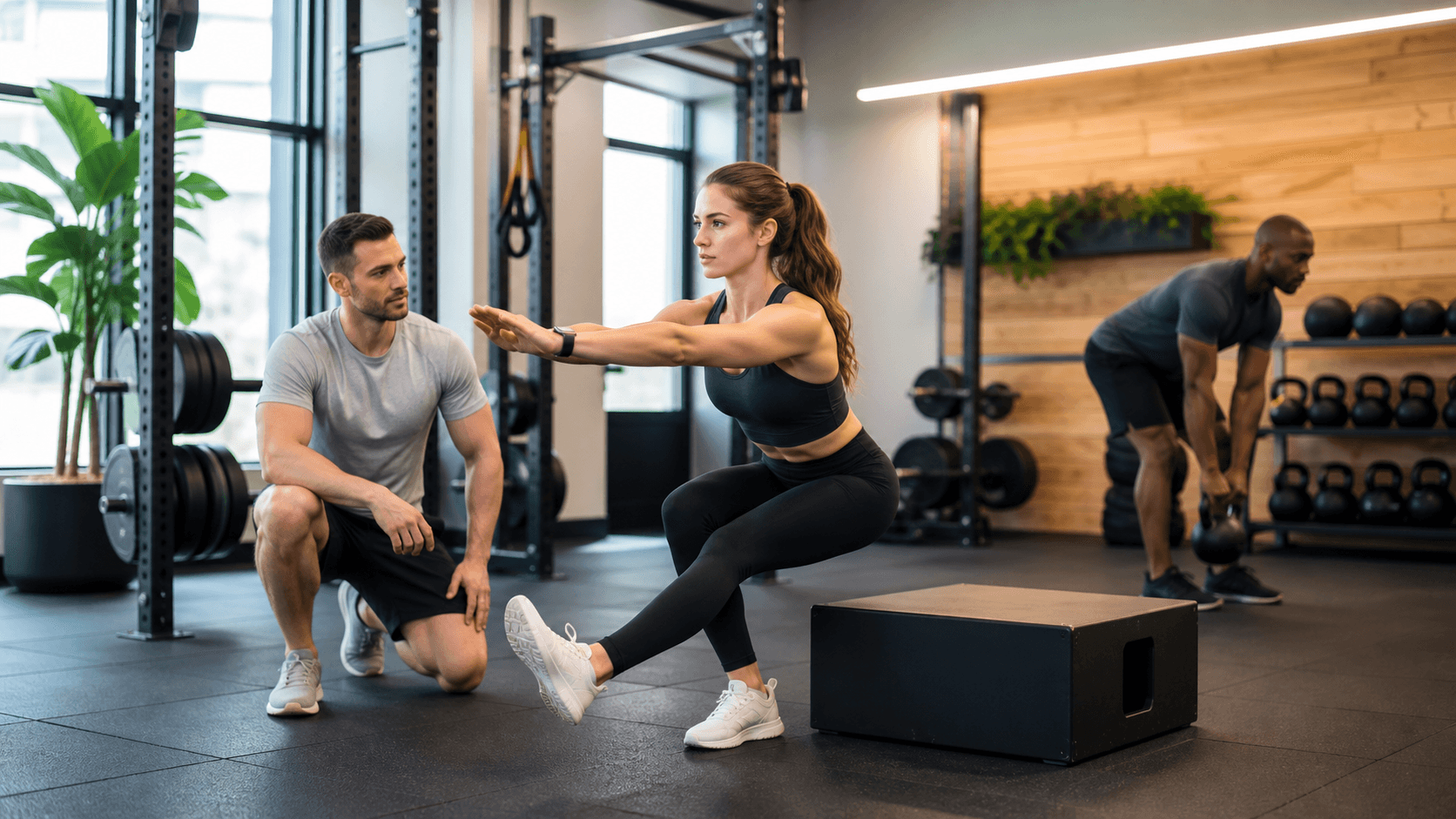
The environment matters too. A strength and conditioning gym is usually calm, focused and coached. You are not queuing for machines or fighting loud music to hear instructions. Sessions feel more like small, well-run workshops than a fitness rave, which many people over 30 find far easier to stick with.
This style of training is built around sustainability. Two or three well-designed sessions a week, with clear progress over time, will normally beat random daily workouts that change with the weather. As work, school and social routines pick up after summer, that kind of simple, repeatable structure tends to win.
HIIT: Fast Results, High Effort, Mixed Outcomes
HIIT stands for high-intensity interval training. It is those short bursts of near-all-out effort, broken up by very brief rests. Think sprints, burpees, bike pushes and fast circuits, often in big classes or on recorded home workouts.
There are real positives:
- Time efficient if you are very busy
- Can lift your heart and lung fitness quite quickly
- Group buzz can feel fun and motivating
- Sweaty, breathless finish can give a sense of achievement
But for many everyday athletes, there are trade-offs. When the clock is ticking, technique often slips. Jumps get heavier, knees cave in, backs round on deadlifts. Over time, that can mean sore joints and niggles that will not settle. The nervous system can also take a beating, which shows up as:
- Poor sleep
- Mid-afternoon energy slumps
- Feeling "wired but tired" in the evenings
HIIT often feels easier to bounce back from in your 20s. As you move into your 30s and 40s, especially after a quieter summer or during stressful work periods, recovery tends to slow. What felt like a boost can start to feel like another stress on the pile.
HIIT can still have a place, but it works best as a "spice", not the main course. One or two brief, high-effort sessions sprinkled on top of a solid strength programme can be great. Making it your only training, several times a week, is where many people run into trouble.
Traditional Gyms: Freedom, Friction and Frustration
A traditional gym usually gives you a big room full of kit, a quick induction, and a swipe card. After that, it is mostly up to you. You can lift weights, go on the treadmill, copy a workout from your phone or just wander and pick whatever looks free.
The strengths of this set-up are clear:
- Loads of choice
- Often longer opening hours
- You can train alone or with a friend
- Simple memberships that let you come and go
The catch is that freedom without a plan often equals friction. Many people:
- Jump from one programme to another every few weeks
- Use poor technique without noticing
- Repeat the same workout over and over with no real progress
- Lose motivation once the first burst of enthusiasm passes
Crowded weights areas can feel intimidating, especially if you are new to lifting or have taken a break. It is hard to focus on your own form when you feel watched, or when you are not quite sure what "good" should look like.
This is where a coached, semi-private strength and conditioning set-up feels different. Sessions are planned for you, the coach is right there to guide and adjust, and you share the space with a small number of people. For many in and around Chalfont St Giles, that balance of structure and support makes turning up far easier.
Simple Self Assessment: Find Your Best Training Match
Use this quick self-check through three lenses: body, mind and life.
- Do you wake up stiff or achy most days?
- Do you have a history of injuries that flare up?
- Do you take longer to recover than you used to?
Mind:
- Do you like clear structure and knowing what is coming?
- Do you feel calmer in small groups, or do you love big-class energy?
- Do you enjoy learning technique, or just want to "get sweaty and go"?
Life:
- How many sessions can you realistically manage each week?
- How is your sleep and work stress at the moment?
- Can you stick to roughly the same time slots, or does your diary move a lot?
Patterns:
- If you are mostly achy, stiff, low on energy or over about 35, a coached strength and conditioning gym is usually the smartest first choice.
- If you already feel strong and pain-free, love pushing hard, and are short on time, adding one or two HIIT-style sessions on top of a strength base can work well.
- If you are highly self-driven, like planning your own training, and you know your technique is sound, then a traditional gym with a written programme can suit you.
As new routines settle in after summer, ask yourself: which of these options can I see myself following steadily up to the winter, not just for four intense weeks?
Turn Clarity Into Action and Train with Intent
The best training style for an everyday athlete is the one that builds strength, protects joints and fits your actual life. It does not need to be the trendiest class in town or the session that leaves you most exhausted. It needs to be manageable, repeatable and kind to the future version of you.
At GDN Fitness we build training around strength, movement quality and long-term health in a calm, high-quality space in Chalfont St Giles. Once you know what your body, mind and life really need, the goal is simple: train with intent, not impulse, and give yourself a plan that will still make sense in a few months, not just at the end of this week.
Take The Next Step Towards Stronger, Smarter Training
If you are ready to turn your goals from ideas into real, measurable progress, our strength and conditioning gym is built to support you at every stage. At GDN Fitness, we combine structured coaching with a friendly, focused training environment so you can train with confidence. Book your first session or ask any questions you may have by using our contact page today.